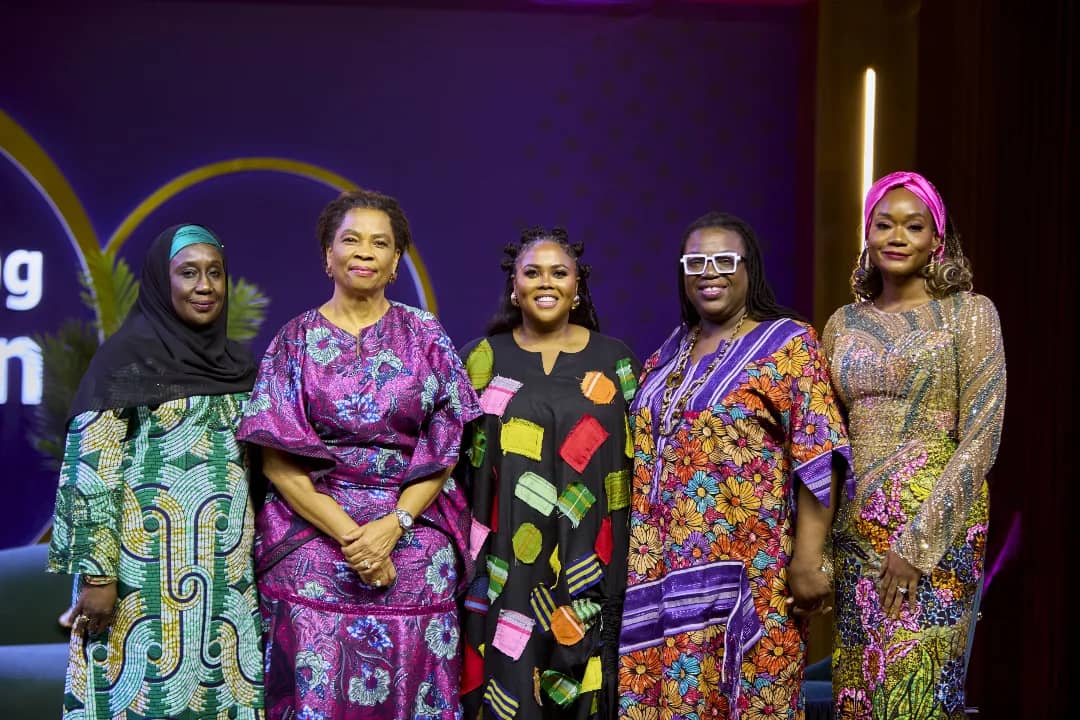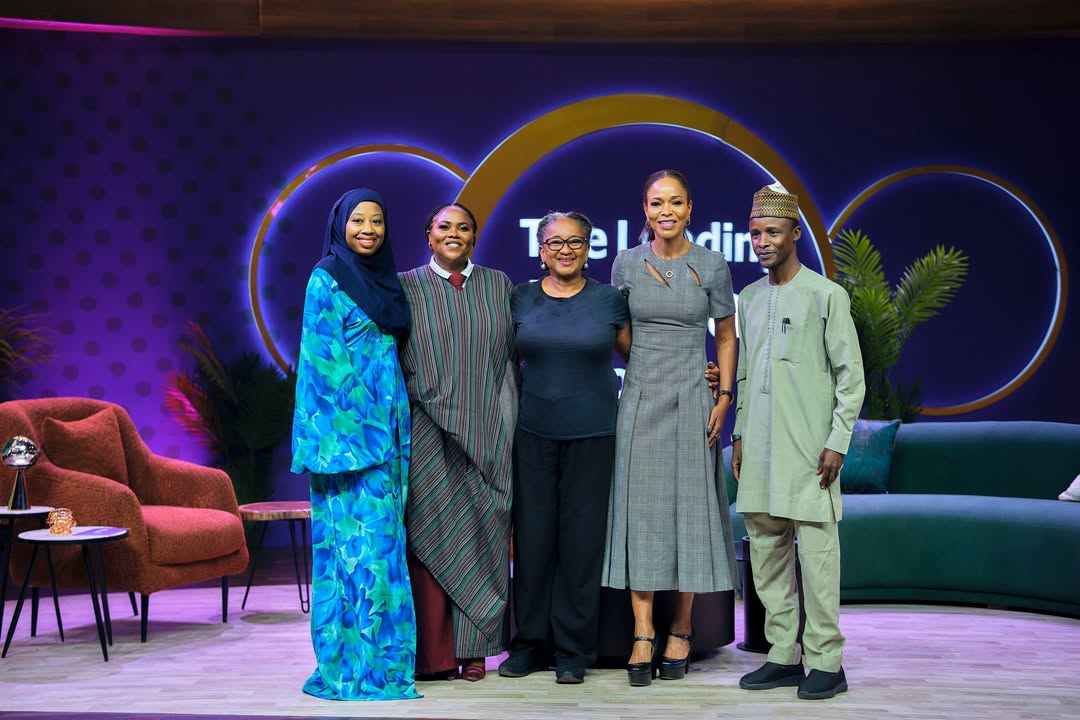



Breaking new ground as a woman in leadership is inspiring but often comes at a price. From financing their own political campaigns to bootstrapping entrepreneurial ventures, trailblazing women routinely face economic and institutional barriers that their male counterparts rarely encounter. While much attention is given to the symbolic victories of women rising to the top, less is said about the financial sacrifices, systemic inequities, and invisible costs they bear along the way. These financial realities are critical to understand if we are to dismantle the barriers that continue to limit gender-balanced leadership.
As WILAN’s 2024 Impact Report reveals, women in public life often find themselves shouldering the costs of participation, representation, and credibility—costs their male counterparts rarely face. Many of these women described their journey to leadership as “expensive and isolating.
The Invisible Burden: The financial cost of breaking barriers
Breaking barriers comes at a cost — literal and symbolic. From higher standards to limited access to resources, first-generation female leaders often bear the financial brunt of institutional gaps.
In the U.S., Kamala Harris, the first woman, first Black person, and first person of South Asian descent to become Vice President, exemplifies the “cost of being the first.” As highlighted in various media analysis, her historic position comes with heightened scrutiny, pressure to represent entire communities, and the emotional toll of navigating uncharted territory in a system designed without women like her in mind. In Nigeria, female political aspirants like Dr. Obiageli Ezekwesili, a former presidential candidate, have spoken out about the overwhelming financial demands of politics; from mobilization to security to media coverage. These costs are often self-funded due to limited party support for female candidates.
Financially, these costs are overwhelming, it includes; managing multiple communication advisors, and public image strategies—all necessary to withstand the pressures of public life. These costs are personal, professional, and symbolic of the institutional expectations placed on women leaders.
In Africa’s entrepreneurial ecosystem, a striking contradiction persists. Research consistently shows that female-led startups often outperform those led by men, women founders continue to be significantly underfunded. In 2023, the Big Deal a data insight firm that tracks startup deals above $100k+ revealed that startups with solo female founders or all-women founding teams received only 2.3 percent of all funding across the continent. As a result, many women are left to rely on personal savings or informal loans. This financial reality limits their ability to grow, scale, and build sustainable enterprises. Ultimately, women lose out, so does the economies that fail to harness the full potential of their entrepreneurial leadership.
Institutional gaps that widen the burden
The financial barriers trailblazing women face are not incidental—they are the result of structural inequalities. According to the UN Women Report on Gender Equality and Inclusive Finance, women face disproportionate barriers in accessing formal financial systems. These include lack of collateral, limited financial education, and unconscious bias in funding institutions.
The World Economic Forum’s 2025 Gender Gap Report supports this, stating that gender parity in economic participation and opportunity will take 123 years to close unless deliberate policies and financing reforms are implemented.
In Nigeria, WILAN’s interactions with women in politics and leadership continue to reveal these systemic issues. Many women in public life reported that financial exclusion not only limited their ambition but affected their mental health, family dynamics, and sustainability of their leadership journey (WILAN 2024 Impact Report).
The role of finance in bridging the gap
Finance is not just about money — it’s about access, equity, and justice. Creating gender-inclusive financial ecosystems is critical. If finance has historically excluded women, then inclusive financial reform is central to enabling them. Public and private institutions must intentionally design financial products, grant mechanisms, and political funding systems that remove barriers for women.
Forbes (2023) report on Women-led startups deliver higher ROI, recommends targeted venture capital for women-led businesses, citing increased returns and resilience. Similarly, Harvard Business Review (2021), in the research “Adding women to the C-suite changes how companies think’, emphasizes that organizations that invest in women’s leadership not only diversify their decision-making but see better financial performance over time.
In the public sector, gender-responsive budgeting and campaign financing reform is critical. State and federal structures must allocate resources that lower the cost of political participation for women and provide platforms that amplify their voices sustainably.
WILAN has made strides here by investing in young women leaders through its National Head Girl Competition and providing mentorship and funding support for winning projects. But the broader system must evolve.
Financial institutions, donor agencies, and governments need to prioritize financial inclusion in leadership frameworks. As the McKinsey report rightly notes, businesses with diverse leadership outperform their peers, so investing in women is not only ethical—it is economically smart.
The domino effect
Women in leadership catalyze broader social and economic change. But expecting them to succeed while carrying systemic burdens especially financial is both unfair and unsustainable.
When we reduce the cost of entry and support women financially, we multiply impact: more role models, more inclusive policies, and more economic growth.
Conclusion
Being the first is hard but it shouldn’t be impossibly expensive. Trailblazing women are not only breaking glass ceilings; they are funding the ladders, cleaning the shards, and often doing so alone. Until we redesign systems to recognise, reduce, and redistribute these costs, many women will continue to be the “first” and the last.
As we celebrate the wins of the women who go first, we must not romanticise the hardship that comes with it. These women are not just role models—they are economic pioneers, absorbing the costs of an unequal system while building paths for others.
About The Author
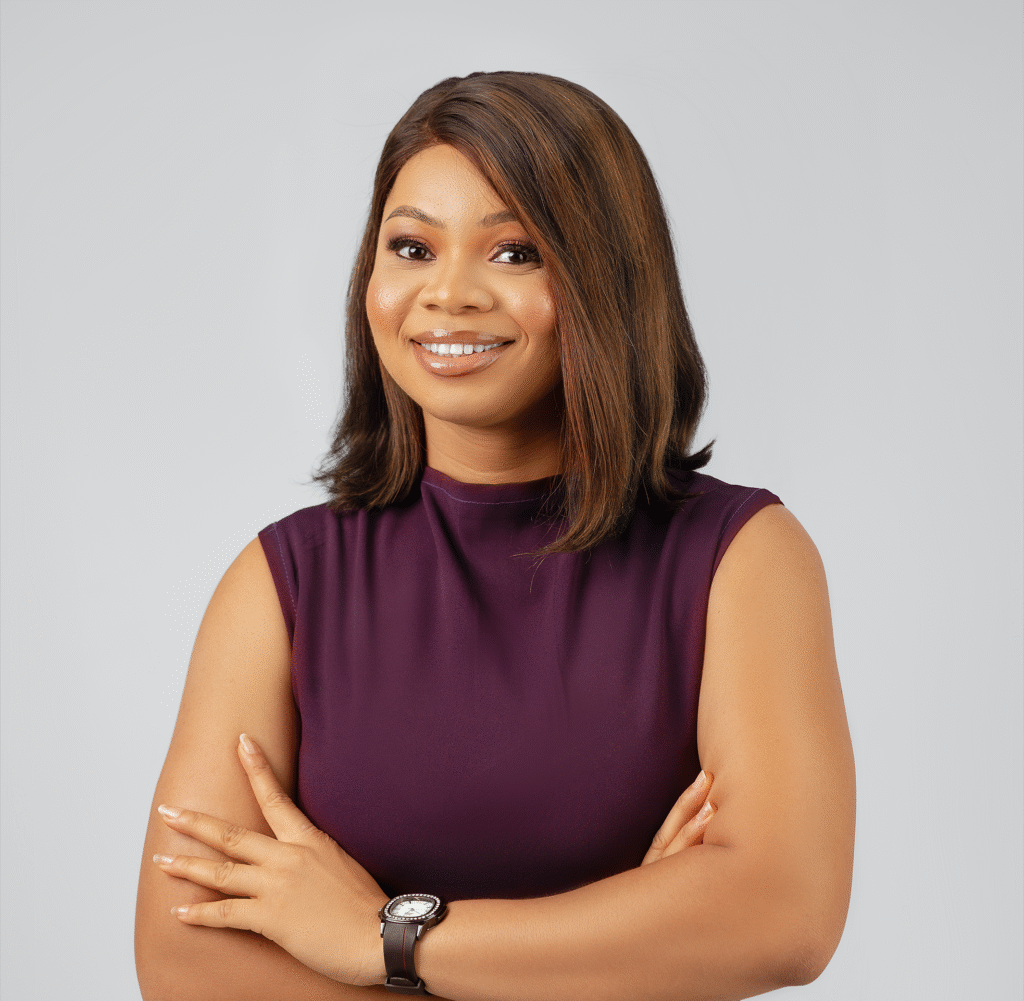
Paulina Adoghe is a Chartered Accountant and Finance Officer at WILAN Global, where she contributes to the management of internal financial systems, reporting, and donor compliance to support organizational goals and project delivery.
Passionate about numbers and ethical financial practices, she is committed to helping organizations maintain transparency, efficiency and compliance in their financial processes. Her experience has spanned multiple sectors including manufacturing, FMCG, HR services, health and hospitality, both locally and internationally.
Paulina also applies her expertise in the nonprofit sector, supporting initiatives that drive gender-balanced leadership and create lasting impact.
Driven by integrity and a love for problem-solving, she believes that strong financial accountability is more than just good practice- it’s a powerful tool for building trust and achieving impact.