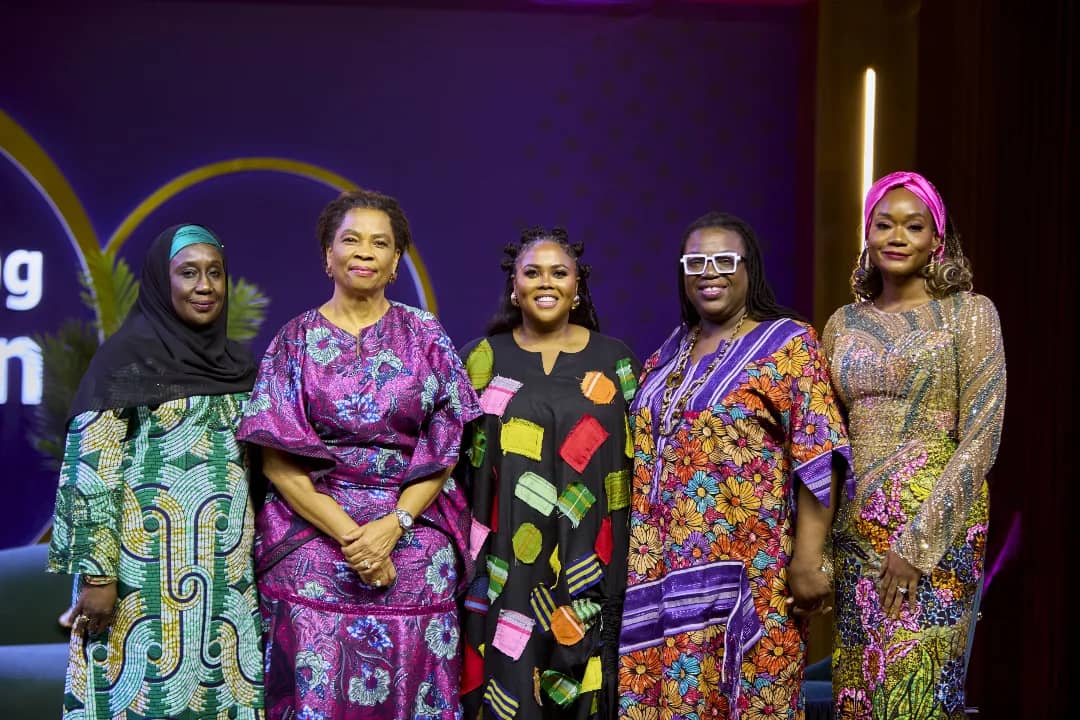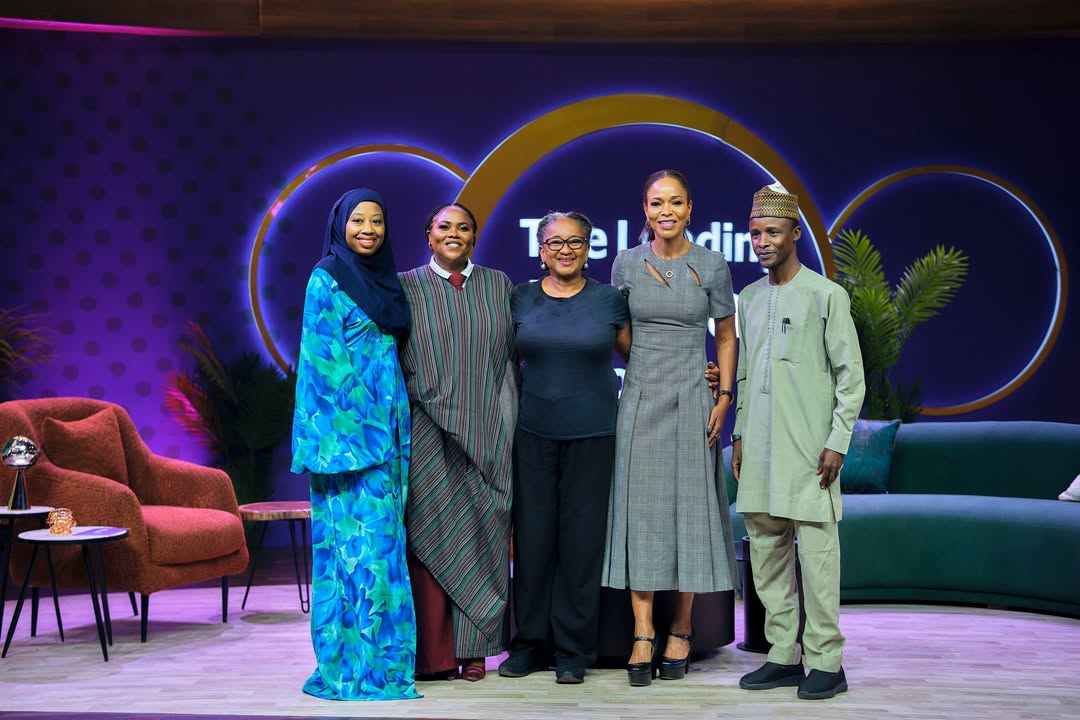



In 1999, Nigeria transitioned to democracy after enduring years of military rule. This change brought about hope and significant aspirations. However, 26 years later, trust in the political system has rapidly diminished. In the 2023 elections, voter turnout plummeted to 27%, a notable decline from 34.7% in 2019. This sharp decrease indicates that citizens no longer believe their votes count or make a difference.
This week, we will explore Nigeria’s democratic journey, focusing on key achievements, lessons from other contexts, and the changes needed to accelerate progress. After 26 years of consistent civilian rule, Nigeria has established a solid foundation. The question now is: how can we intentionally strengthen this foundation?
The Gains of Uninterrupted Democracy
Democracy is built on four essential pillars: respect for human rights, adherence to the rule of law, a competitive multi-party system, and the separation of powers. These principles are intended to ensure fairness, accountability, and justice. In Nigeria, while these principles are present in theory, their implementation is inconsistent.
Still, uninterrupted civilian rule is a significant achievement. Under military rule, free speech was constrained, dissent was dangerous, and accountability was minimal. Today, Nigerians can elect their leaders at regular intervals. While elections still have their flaws, their regularity provides stability and a clear mechanism for leadership change. This framework alone helps prevent chaos.
Economic reforms offer further evidence of democratic dividends. Liberalisation of the telecommunications sector broke monopolies and expanded access nationwide. Banking sector consolidation helped stabilise fragile institutions. These achievements demonstrate that when leadership aligns policy with intent, progress can be made. Democracy has facilitated these reforms, but the challenge now is to sustain them.
The Office of the Citizen
In a democracy, sovereignty belongs to the people. Citizenship is not a passive status; it requires active participation. Leaders govern with the consent of the governed, and this consent must be continually reaffirmed.
While voting is crucial, it is not enough on its own. Accountability demands ongoing engagement: monitoring performance, insisting on transparency, and ensuring that elected officials deliver results at every level. Civic responsibility does not conclude with the end of elections.
Nigeria has experienced the impact of organised citizens in the past. In 2010, the Enough is Enough movement brought together young Nigerians to demand clearer constitutional guidelines during a leadership crisis. Through persistent pressure, advocacy, and strategic use of media, citizens were able to influence political outcomes. The lesson is straightforward: when citizens unite, institutions take notice.
That same democratic opening enabled a generation of Nigerians to innovate and build businesses, particularly in technology and telecommunications. Democracy does not only create political space; it creates economic possibility. Citizens are not merely beneficiaries of democracy. They are its engine.
Anger can trigger mobilisation, but structure sustains change. Movements that endure invest in organisation, leadership, and long-term strategy. Protest may force attention. Engagement secures results.
Understanding how the political system works is critical. When informed citizens disengage, political spaces are left to those with fewer constraints. Participation, even when imperfect, protects democratic institutions.
Strengthening the System
The separation of powers is a core democratic safeguard. Each arm of government has defined responsibilities, and democracy weakens when these boundaries are ignored. Its strength is measured not by constitutional text alone, but by everyday conduct.
Citizens have a role in defending this balance. Knowing one’s rights and recognising overreach are central to accountability. Power, left unchecked, drifts toward abuse. Civic vigilance is a counterweight.
Representation is another measure of democratic health. Nigeria is a young country, yet young people are underrepresented in governance. Women remain largely excluded from decision-making. A system that does not reflect its population cannot fully respond to its needs.
The cost of exclusion is practical, not symbolic. Excluding youth limits innovation and long-term thinking. Excluding women sidelines half of the country’s capacity. Inclusion strengthens governance outcomes.
A credible opposition is equally vital. Competitive parties challenge incumbents, test policies, and expand choices. Democracy depends on contestation. Without it, accountability weakens.
Political Entry and Ground-Level Accountability
Accountability begins before elections. In Nigeria’s system, political parties control candidate selection, and independent candidacy is not permitted. This makes internal party processes decisive.
Who funds and backs candidates shapes how they govern. Party primaries often determine outcomes long before general elections. Citizen participation at this stage matters.
Every eligible Nigerian can join a political party. Engagement from within allows citizens to influence choices early, challenge harmful practices, and shape leadership pipelines. External pressure alone has limits when decisions are made internally.
Nigeria does not lack policy ideas. What it often lacks is implementation. Organised, consistent grassroots pressure helps bridge that gap by raising the political cost of inaction.
Women and Youth: From Margins to Power
Young people form a large share of Nigeria’s population, yet youth participation has declined in recent elections. After moments of intense mobilisation, many feel excluded from formal politics.
Lasting influence requires organisation beyond protest. Political literacy, coalition-building, and strategic planning convert momentum into representation.
Global examples offer lessons. Countries that increased women’s representation did so deliberately, often through quotas and sustained advocacy. In Nigeria, repeated failures of gender-focused legislation show the cost of late or fragmented engagement.
Women face structural barriers, including political violence, high campaign costs, and online harassment. Party systems often favour male candidates perceived as “safe.” Financial exclusion further compounds these challenges.
Yet women also represent a powerful voting bloc. Data-driven advocacy and collective bargaining can translate numbers into leverage. Corporate diversity efforts show that organised negotiation works. Politics is no different.
Political power grows when women pool resources, negotiate strategically, and demand representation based on electoral value. Participation must be intentional and adequately resourced.
The Path Forward
Nigeria’s democracy has endured for 26 years. Gains in free expression, participation, and reform show what is possible. Declining voter turnout, however, signals a need for renewed engagement. The lessons are clear. Sovereignty belongs to citizens. Accountability requires sustained participation. Political parties remain the main gateways to power, and structure matters.
Digital tools should be used to learn, organise, and negotiate, not only to comment. Citizens must build blocs, mobilise resources, and engage strategically. Women must continue to push for representation. Young people must move beyond anger toward long-term planning. All citizens must demand institutions that reflect the society they govern.
Power does not wait to be invited. It is claimed through participation. Democracy becomes real when citizens act. The Nigeria you want is shaped by what you do next.