


From the Aba Women’s Riot in 1929 to the bold stands by Fumilayo Ransome-Kuti and others, Nigerian women sparked real change. They pushed back against unfair taxes and colonial rule. Yet today, they hold less than 5% of seats in the National Assembly and just 17% of top executive jobs, per the 2025 State of Women’s Leadership Report.
This gap hurts our democracy, slows growth, and blocks progress. Picture a nation where half the population sits on the sidelines. This post digs into women’s vital role in building Nigeria. It spotlights barriers they face. And it maps out fixes in politics, money matters, and society for the Nigeria we all crave.
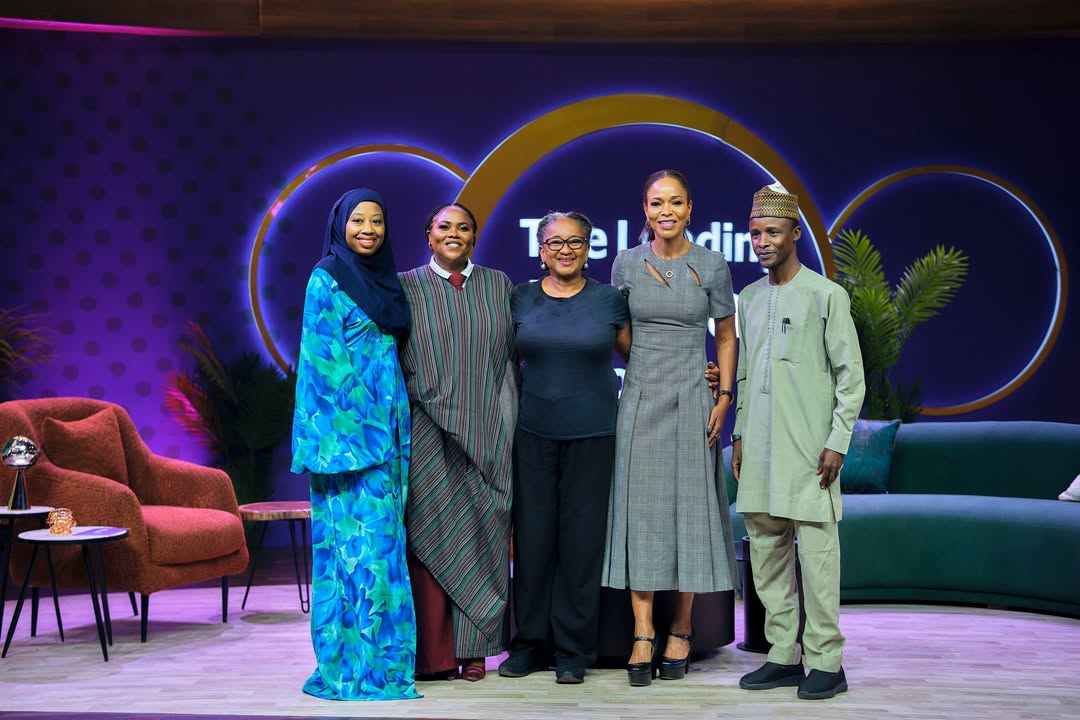
This episode of “The Leading Woman Show” delves deep into the realities of women’s exclusion from decision-making processes while illuminating pathways for reform. The conversation explores the historical context, the current challenges, and the urgent shifts needed to ensure women’s full participation as drivers of nation-building.
Women’s Pivotal Role in Nigeria’s History
The current narrative of male-dominated leadership is not a reflection of the past, where women often held significant decision-making power within their communities. Women’s low numbers in power today stem from changes after colonial times. Before that, many groups gave women strong voices. Panel experts shared stories that prove this point.
Groups like the Efik and Ejagham in Cross River State were matrilineal societies. Kids took their mother’s line, not always the father’s. Women held real sway. They shaped family ties and community rules. Queen Amina and Hajiya Gambo Sawaba showed this power in action. Small ethnic groups welcomed women leaders back then. But when Nigeria formed as one country, those roles shrank.
Pathways to Women’s Full Participation in Nation Building
A country cannot thrive when half of its population is treated like a footnote.
And yet, that is often the reality. Women remain underrepresented in decision making spaces, underfunded in political processes, and underestimated in conversations about power. Not because they lack competence. Not because they lack numbers. But because systems were never intentionally designed with them in mind.
If we are serious about building a nation that works, then women’s full participation cannot be symbolic. It has to be structural.
It Begins with Political Will
Real change does not happen by accident. It happens because someone decides it must.
There needs to be deliberate political will to address the imbalance in leadership representation. Not lip service. Not seasonal applause during Women’s Month. But policies, reforms, and investments that shift the political, economic, and social architecture of the country.
Right now, women occupy only about 4 percent of seats in the national assembly. In more than two thirds of state assemblies, there is either one woman or none at all. That is not a pipeline problem. That is a power problem.
One proposed solution has been a legislative initiative to create additional reserved seats for women across national and state assemblies. The idea is simple. If the system has historically excluded women, then the system must intentionally correct itself. Reserved seats are not about charity. They are about correcting structural imbalance and accelerating representation in spaces where decisions about everyone are made.
And yes, it makes some people uncomfortable. But so did every major reform that later became common sense.
Beyond Policy: Reorienting the Mindset
Laws matter. But culture often matters more. You can pass reforms and still have a society that quietly discourages women from ambition. You can create seats at the table and still make women feel like guests instead of co-owners.
There has to be a reorientation of how we see leadership itself. Authority is not masculine by design. Nation building is not a single gender project.
Women need access to resources, funding, networks, and political education. But they also need an environment that believes they belong. That belief starts at home, in schools, in media narratives, in everyday conversations about power and possibility.
Sometimes the most radical shift is simply this: seeing women as equal partners in development.
Turning Numbers into Power
Women are not a minority. They are half the population. So why does that numerical strength rarely translate into political influence?
Part of the answer lies in fragmentation. Women often show up individually, but rarely as a coordinated political force. Building a collective movement that supports female candidates, funds campaigns, mentors emerging leaders, and mobilizes voters is critical.
Solidarity cannot just be a hashtag. It has to be strategic.
Mentorship plays a powerful role here. When younger women see others who look like them in positions of authority, something shifts internally. Possibility becomes tangible. Ambition feels less rebellious and more rational.
Role models matter. Not because they are perfect, but because they make leadership visible.
Media, Technology, and the Stories We Tell
The stories we amplify shape what feels normal.
For decades, political narratives have centered men as default leaders and women as exceptions. That script needs rewriting.
Digital platforms offer a powerful opportunity to challenge outdated narratives. Women’s contributions to governance, policy, entrepreneurship, and community development should not be hidden in side notes. They should be documented, amplified, and celebrated.
When girls grow up seeing women debate policy, lead institutions, negotiate budgets, and shape national conversations, leadership becomes part of their imagination early on.
And imagination is powerful. It shapes aspiration long before opportunity arrives.
A Different Nigeria Is Possible
Imagine a country where governance reflects the diversity of its people. Where women and men are equal co builders. Where security, opportunity, and dignity are not gendered privileges. Where leadership is defined by competence and vision, not by stereotypes. It is not naive to want that. It is necessary.
But it will require action.
- A conscious shift in mindset that frames governance through inclusion and equity.
- Investment in mentorship and capacity building for women and girls.
- Support for legislative reforms that increase representation in decision making bodies.
- Strategic use of media and technology to amplify women’s stories and reshape narratives.
- Collective organizing among women to convert numbers into influence.
- Active engagement of men as allies who understand that inclusive governance benefits everyone.
The transformation of Nigeria’s leadership landscape is not a women’s issue. It is a national imperative.
When women participate fully, policies become more responsive. Institutions become more representative. Development becomes more sustainable. The truth is simple. A nation that sidelines its women sidelines its own potential. And maybe the real question is not whether women are ready to lead.
Maybe it is whether the system is finally ready to evolve.