


Nigeria is often described as a nation rich in human capital, and according to the World Bank, women alone make up 49.43 per cent of the population. They sustain families, run businesses, and contribute significantly to the country’s economic and social fabric. Yet when it comes to decision-making, whether in politics, corporate governance, or public policy, women remain strikingly absent.
This imbalance is not just a question of fairness. It is a structural problem that limits national development. When half of the population is excluded from leadership spaces, the country loses out on talent, ideas, and perspectives that could strengthen governance and economic growth.
Key Demands for National Transformation: Modern Labor Reform
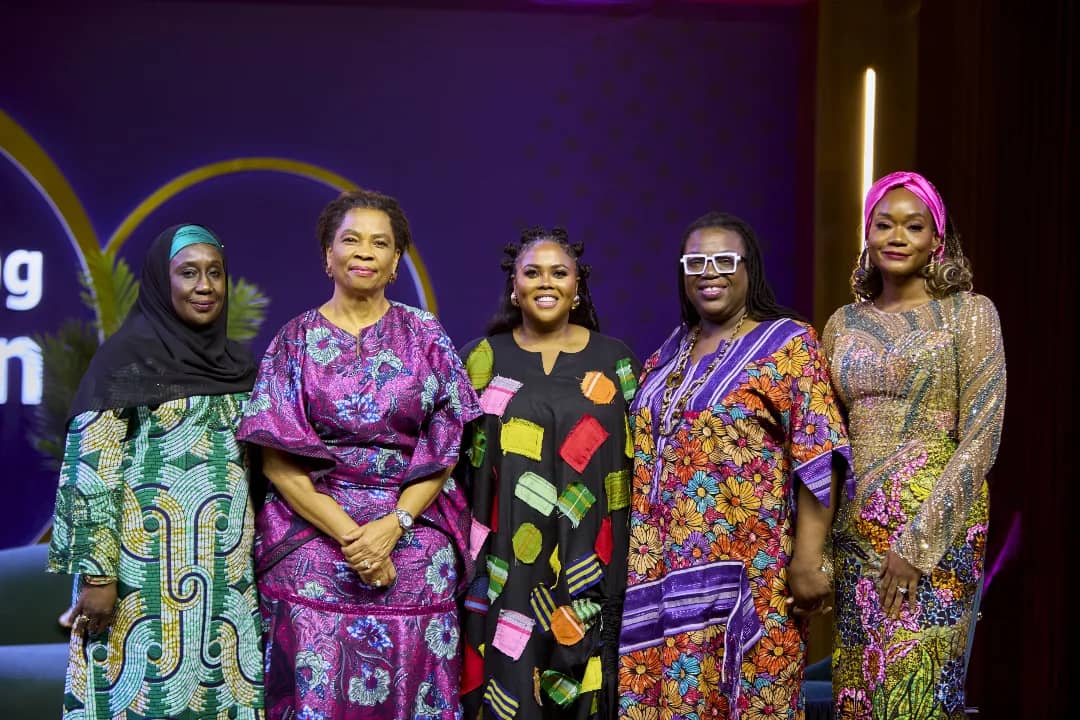
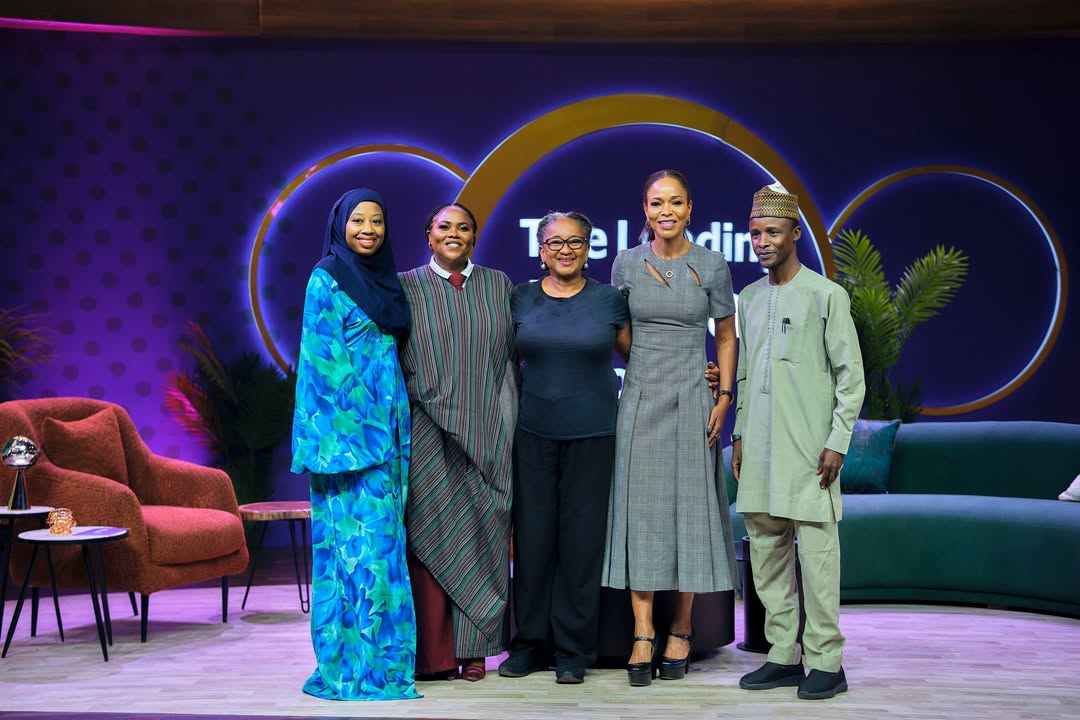
Recognizing this gap, the Nigerian Women in Leadership Coalition has stepped forward with a coordinated call for reform. The coalition, which includes organizations such as Women in Leadership Advancement Network (WILAN Global), Women in Management and Business and Public Service, Women in Successful Careers, and the Nigeria Governors’ Forum, has outlined a clear set of priorities aimed at reshaping both labour policies and leadership representation in Nigeria.
At the centre of their advocacy are two key demands: modern labour reforms that support working families and a minimum of 35 percent representation of women in leadership positions across government and corporate institutions.
These demands reflect what many Nigerian women have been asking for years. They want workplaces that acknowledge their realities, policies that protect their wellbeing, and leadership opportunities determined by competence rather than proximity to power.
Modern Labor Reform and Shared Family Responsibility
One of the coalition’s strongest proposals focuses on reforming Nigeria’s outdated labor policies to better support working parents.
Currently, many women face intense pressure to return to work shortly after childbirth, often without sufficient time to recover physically or adjust to caring for a newborn. The coalition is advocating for 16 weeks of paid maternity leave, alongside 14 days of paid paternity leave.
The inclusion of paternity leave is especially significant. It acknowledges that childcare should not be viewed as solely a woman’s responsibility. When fathers are given structured time to support their families after the birth of a child, it redistributes the burden of care and promotes healthier family dynamics.
Many women describe returning to work too soon after childbirth as physically and emotionally taxing. Pregnancy and delivery significantly affect the body, and recovery requires time. Without adequate leave policies, women are often forced to resume demanding work schedules before they are fully ready.
Paternity leave also plays an important cultural role. It signals that caregiving is not exclusively “women’s work.” When fathers are encouraged to participate actively in early childcare, it reduces the pressure placed on mothers and helps normalize shared parenting responsibilities.
For workplaces, these policies are not merely social considerations. Studies around the world have shown that supportive parental policies improve employee retention, increase morale, and strengthen long-term productivity. When employees feel supported through major life transitions, they are more likely to remain committed and perform at their best.
Representation in Leadership: The Case for the 35 Percent Benchmark
Beyond labor reform, the coalition is calling for structural changes in leadership representation across both public and private sectors.
Their proposal sets a clear benchmark: at least 35 percent representation of women in executive management, corporate boards, and government cabinets at both federal and state levels.
This figure is not arbitrary. The 35 percent threshold has long been recognized in global governance discussions as the minimum level at which women’s participation begins to meaningfully influence decision-making.
At present, Nigeria falls far below this mark.
Across the country, women remain severely under-represented in both corporate and political leadership. Even within major corporations listed on the Nigerian Stock Exchange, female representation at the highest levels remains extremely limited.
The numbers become even more stark when examining the political landscape.
The Stark Reality of Women’s Political Representation
Data from the State of Women’s Leadership Report highlights just how deep the gender gap runs in Nigeria’s governance structures.
Among the top 50 companies listed on the Nigerian Stock Exchange, only five are chaired by women. Political leadership presents an even more troubling picture.
Women occupy less than 5 percent of elected positions nationwide. In the National Assembly, female representation stands at roughly 4.5 percent. At the local government level, it drops further to around 3.7 percent.
Perhaps most striking is the historical absence of women in the country’s highest offices. Nigeria has never had a female governor, president, or vice president. Similarly, no woman has served as Speaker of the House of Representatives or Senate President.
In some states, the absence of women from leadership is almost total. Fifteen states currently have no female representatives in their state assemblies. In others, the only woman in the cabinet is the Commissioner for Women Affairs.
These statistics illustrate more than a simple imbalance. They point to a system where structural barriers make it extremely difficult for women to rise through political ranks.
Structural and Cultural Barriers Facing Women
Women navigating professional spaces often encounter subtle but persistent biases that shape how they are perceived.
In leadership meetings dominated by men, even small actions can trigger assumptions. A woman glancing at her phone may be assumed to be distracted by family obligations, while the same behaviour from a male colleague often passes without comment.
These kinds of unconscious biases accumulate over time. They reinforce stereotypes that women are less committed to their careers or more likely to prioritize family responsibilities.
Beyond workplace bias, cultural expectations also shape the opportunities available to women, particularly in parts of Northern Nigeria where traditional and religious norms can impose additional limitations.
In many communities, women are expected to prioritize domestic roles above all else. Ambition in public or professional spaces can sometimes attract criticism or social pressure.
Economic barriers also play a major role. Many women entrepreneurs operate small scale trading businesses but lack access to financial literacy training, digital skills, or formal banking systems that could help them grow their ventures.
Even when grants or financial support become available, limited training in business management can prevent women from using these opportunities to build sustainable enterprises.
Access to power networks also remains heavily gendered. Corporate boards and political structures often function through informal networks dominated by men. Decisions about leadership appointments or board memberships frequently occur within these closed circles.
Without access to these networks, many capable women remain excluded from opportunities where influence and resources are concentrated.
Moving from Advocacy to Action
Addressing these challenges requires more than policy proposals. It requires a shift in institutional culture and collective accountability.
Male allies have an important role to play in this transformation. As more men recognize the value women bring to leadership, they can use their influence to open doors, support equitable hiring practices, and advocate for inclusive policies.
Organizations can also adopt practical measures such as flexible work arrangements, mentorship programs, and transparent leadership pipelines that ensure women are not overlooked for advancement.
Public accountability mechanisms are equally important. Some states have begun tracking gender representation through dashboards that publicly display the number of women serving in cabinets, assemblies, and government agencies.
These transparency tools help create pressure for progress. When representation gaps become visible, it becomes harder for institutions to ignore them.
Political will can also drive meaningful change. In Rivers State, for example, a previous administration once achieved over 50 percent female representation in the cabinet. Such examples demonstrate that progress is possible when leaders prioritize inclusivity.
Toward a More Inclusive Future
Nigeria cannot reach its full potential while women remain largely excluded from leadership.
When women participate fully in decision-making, governance becomes more representative, economic policies become more inclusive, and communities benefit from a broader range of perspectives.
The demands put forward by the Nigerian Women in Leadership Coalition reflect a practical roadmap toward that future. Modern parental leave policies, equitable representation targets, and stronger institutional accountability can begin to correct long-standing imbalances.
Ultimately, achieving gender equity in leadership is not solely a women’s issue. It is a national development priority.
A country attempting to fly with only one wing will always struggle to rise. When women are empowered to lead alongside men, Nigeria gains the full strength of its talent and vision.
The task now is to move beyond discussion and commit to sustained action. Real progress will come when policies are implemented, institutions are reformed, and leadership spaces reflect the diversity of the nation they serve.
Only then will Nigeria truly harness the power of all its people.