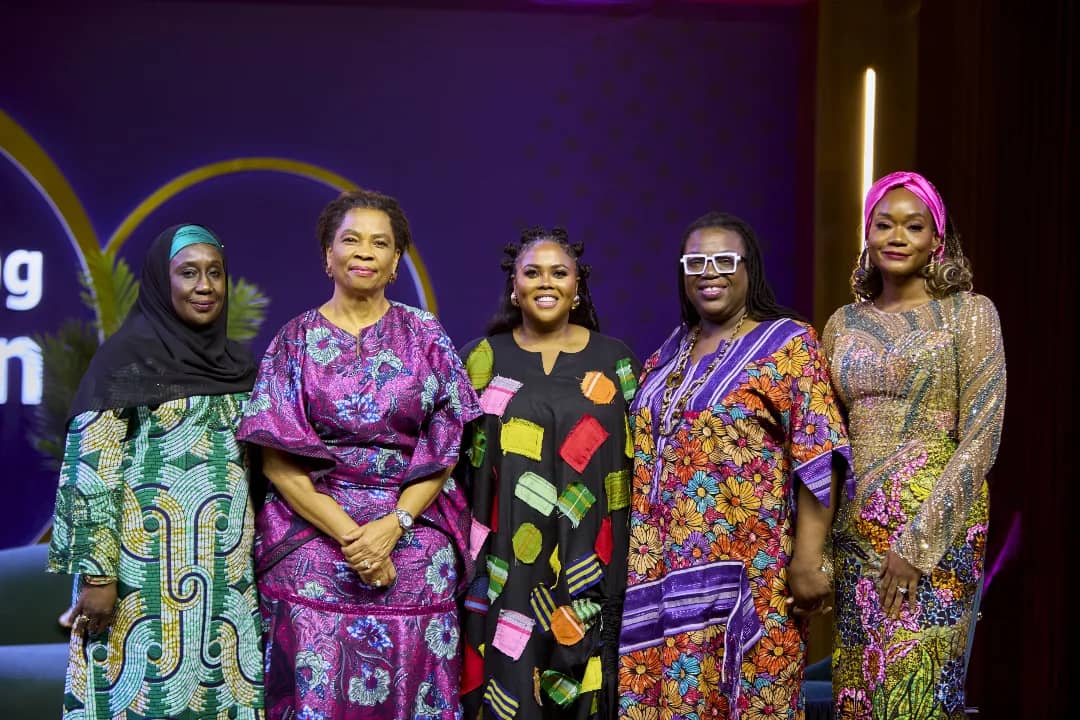



Nigeria’s healthcare system is facing a critical juncture, with significant challenges that require immediate attention and action. As discussed in the episode of “The Leading Woman Show,” the current state of healthcare in the country is marked by a fundamental lack of trust from the common man, woman, and child.
One of the most pressing issues is the severe shortage of healthcare workers. Nigeria currently has a doctor-to-patient ratio of 1 to 9,083, far below the global standard of 1 to 600. This overwhelming workload has led to burnout and an exodus of healthcare professionals, with an estimated 20,000 doctors leaving the country in the last decade.
Identifying the Gaps in Nigeria’s Healthcare System
The fragmentation and lack of collaboration across the healthcare sector further exacerbate the problem. Experts highlighted the tendency to work in silos, constantly reinventing the wheel as they move from one sector to another or from one state to another. This siloed approach hinders the development of comprehensive, coordinated solutions.
Another critical issue is the lack of adequate funding for the healthcare sector. Despite the existence of policies and frameworks, the implementation and allocation of resources have fallen short. The out-of-pocket approach to healthcare financing has proven unsustainable, leaving many Nigerians unable to access the care they need.
The Unique Challenges Faced by Women in Healthcare
Women’s healthcare in Nigeria faces its own set of unique challenges that require urgent attention. As the bedrock of society, women often find themselves at the forefront of healthcare needs, yet their specific concerns are often overlooked or dismissed.
Conditions such as fibroids, endometriosis, and breast cancer frequently go undiagnosed or are misdiagnosed due to a lack of understanding and specialized care. The barriers women face in accessing healthcare, including the need for permission from family members and the financial constraints they often face, further exacerbate these issues.
The high rates of maternal mortality and infant mortality in Nigeria are a testament to the dire state of women’s healthcare. Nigeria currently holds the world record for the highest maternal mortality rate, with one in 1,049 women dying during childbirth. This staggering statistic reflects the systemic failures in addressing the unique needs of women and the lack of prioritization of maternal and child health.
The prevalence of gender-based violence, including sexual violence and domestic abuse, further compounds the challenges faced by women in Nigeria. These social determinants of health have a profound impact on the overall well-being of women and their access to quality healthcare.
Leveraging Technology and Innovation for Transformative Change
As Nigeria seeks to reimagine its healthcare system, the integration of technology and innovation holds immense promise. The experts highlighted the potential of leveraging artificial intelligence (AI) and digital solutions to address some of the most pressing challenges.
- Coordinating healthcare records: By aggregating and digitizing patient records, healthcare providers can access comprehensive information, reducing the need for duplicate tests and improving the continuity of care.
- Triage and remote care: AI-powered triage systems can help identify and direct patients to the appropriate level of care, reducing the burden on tertiary healthcare facilities. Additionally, telemedicine and remote consultations can expand access to specialized expertise, even in underserved areas.
- Enhancing healthcare worker capacity: Technology can support and empower healthcare workers, providing them with the tools and resources they need to deliver more efficient and effective care. This can help address the shortage of healthcare professionals and improve job satisfaction, potentially reducing the brain drain.
However, the experts cautioned that the integration of technology must be carefully regulated and implemented to ensure that it complements and enhances, rather than replaces, the human element of healthcare. The messaging and language used in the development of these technological solutions must also be carefully considered to promote trust and understanding among patients.
A Roadmap for Reimagining Nigeria’s Healthcare System
To reimagine Nigeria’s healthcare system and address the urgent needs, the experts proposed the following key strategies:
1. Prioritize Funding and Financing
Adequate and sustainable funding is the foundation for transformative change in the healthcare sector. Experts emphasized the need to prioritize healthcare financing, with a focus on increasing public funding and expanding risk protection mechanisms to ensure universal access to care, regardless of an individual’s ability to pay.
Specific recommendations include:
- Allocating a larger percentage of the national budget to healthcare, with a target of at least 2% of the consolidated revenue fund as stipulated in the National Health Act of 2014.
- Establishing a functional and equitable health insurance system to reduce the burden of out-of-pocket expenses and provide financial risk protection for all Nigerians.
- Exploring innovative financing strategies, such as public-private partnerships and international donor support, to supplement government funding and ensure the sustainability of the healthcare system.
2. Invest in Human Resources and Capacity Building
Addressing the shortage of healthcare workers is crucial for improving the quality and accessibility of healthcare services. Experts recommended a multi-pronged approach to human resource development:
- Increasing the capacity of medical schools and training institutions to produce more healthcare professionals, including doctors, nurses, and allied health workers.
- Implementing policies and incentives to retain healthcare workers, such as improved working conditions, better remuneration, and opportunities for professional development.
- Leveraging technology to enhance the efficiency and productivity of healthcare workers, enabling them to provide better care to more patients.
- Fostering a supportive and enabling environment that recognizes and rewards the contributions of healthcare workers, addressing the brain drain and ensuring the sustainability of the healthcare workforce.
3. Adopt a Gender-Responsive and Equitable Approach
Integrating a gender-responsive and equitable lens into the redesign of the healthcare system is crucial for addressing the unique needs of women and girls. This approach should be embedded throughout the healthcare ecosystem, from policy formulation to service delivery.
Key elements of this strategy include:
- Ensuring that women’s healthcare needs, including sexual and reproductive health, are prioritized and adequately funded.
- Addressing the social determinants of health that disproportionately impact women, such as gender-based violence, financial constraints, and cultural barriers to accessing care.
- Strengthening the capacity of healthcare institutions to provide gender-sensitive and trauma-informed care, with a focus on improving maternal and child health outcomes.
- Engaging women, particularly those from marginalized communities, in the decision-making processes and the design of healthcare interventions to ensure their voices are heard and their needs are met.
Conclusion
Reimagining Nigeria’s healthcare system is a critical and urgent task that requires a comprehensive, multi-stakeholder approach. By addressing the fundamental gaps in funding, human resources, and gender-responsive care, Nigeria can build a healthcare system that truly works for all its citizens, leaving no one behind.
The experts have provided a clear roadmap for transformative change, emphasizing the need for bold and decisive action. With a renewed commitment to healthcare as a national priority, Nigeria can leverage technology, innovation, and a gender-equitable approach to deliver quality, accessible, and affordable healthcare to its people. This is not just a moral imperative but a crucial step towards a healthier, more prosperous, and more equitable Nigeria.