


Gender parity is never a favour to women; it is a foundational requirement for any thriving, just, and inclusive society. In Nigeria, women continue to face steep barriers in leadership, both in formal and informal spaces. Whether in politics, corporate boardrooms, or the community, power structures are still overwhelmingly male-dominated.
Many women across formal and informal sectors continue to demonstrate resilience, innovation, and commitment to the public good. However, their pathways to leadership remain marked by barriers that slow progress. In governance, politics, and the workplace, the share of women in leadership roles remains significantly lower than that of men.
The political empowerment gap
At the highest levels of governance, women remain significantly underrepresented in Nigeria, occupying just 3.9 per cent of parliamentary seats. This stands in stark contrast to the Sub-Saharan African average of 27 per cent, according to the Inter-Parliamentary Union (2025). The 2025 World Economic Forum Gender Gap Report for Nigeria further highlights this challenge, reporting a 2.9-point decline in the country’s political empowerment score compared to 2024. This drop is largely attributed to the sharp decrease in the proportion of women in ministerial positions, which fell from 17.6 per cent in 2024 to 8.8 per cent in 2025.
In educational attainment, literacy rates are improving overall, but male literacy increased more significantly, reaching 73.7 per cent, compared to 53.3 per cent for women. This widening gap in foundational knowledge has long-term implications for women’s participation in leadership.
What people believe about leadership matters
Understanding how societal perceptions influence leadership opportunities is essential to addressing gender imbalance. The Reykjavík Index for Leadership is a global measure that assesses the perception of people to the suitability of men and women for leadership roles across different sectors. A score of 100 means the public believes men and women are equally suited to lead in all areas. Any score below 100 reflects bias or unequal perceptions.
In the 2024 edition of the Index, Nigeria scored 57. On average, just slightly more than half of the population believes in equal leadership potential between men and women. Women scored higher than men, with 61 compared to 57, indicating they are somewhat more likely to believe in equal leadership suitability. However, this also shows that women themselves are only marginally less biased than men. It would be easy to assume that the issue lies mainly with men, but in truth, this is a broader societal challenge that requires both men and women to shift their views.
Encouragingly, the index reveals that younger Nigerians, particularly young women, are leading with more progressive views. This signals a growing openness to gender-balanced leadership among the country’s future decision-makers.
The role of socio-economic factors and sector-specific findings
Perceptions about who should lead are shaped by several factors. The Reykjavík Index in Nigeria explored three of these: gender equality, the role of religion, and education. People who view gender equality as important for society are significantly more likely to support women in leadership, with a score of 59 compared to 48 who do not share the belief that gender equality is important for society.
In addition, religion also plays a role. Respondents who report that religion is an active part of their lives scored slightly higher at 57, compared to 51 among those for whom religion is less central. Interestingly, levels of education and trust in public institutions do not appear to significantly influence these perceptions.
Sector-specific findings from the Index present a wide range of perceptions. The highest scoring sectors in Nigeria are Education, Banking and Finance, Pharmaceutical and Medical Research, Economics and Political Science, and Media and Entertainment. The lowest scoring sectors include Childcare, Fashion and Beauty, Automotive Manufacturing, Engineering, and Architecture. The low-scoring sectors tend to be either male, or female dominated, reinforcing gendered stereotypes about who belongs where.
Workplace realities mirror public perception
The perceptions captured in the Reykjavík Index are reflected in actual workforce trends. The 2025 McKinsey Women in the Workplace Report, focusing on Nigeria, Kenya, and India, reveals that Nigerian women occupy only one in three entry-level positions. From that point forward, representation remains stagnant, with just 29 per cent of women advancing from manager-level roles to senior executive positions.
Sector-specific trends in Nigeria further illustrate how these barriers manifest. In financial services, women begin with a relatively strong representation at 47 per cent in entry-level roles, but this figure drops sharply to 28 per cent at senior leadership.
In healthcare, representation is closer to parity overall, except at the senior manager level, where women begin to drop off. The legal sector offers a more encouraging outlook, with 55 per cent female representation at entry level and a steady 49 per cent in senior leadership. Women in this sector have attributed their progression to access to mentorship, sponsorship, and support from senior colleagues; factors that are critical for career advancement.
Breaking down the barriers at the entry level and throughout the leadership pipeline is important to unlocking gender equity in Nigeria’s formal private sector. Without intentional action to support women’s advancement, representation at the top will remain limited, despite initial gains.
A global trend with local implications
Globally, the picture is not much different. According to Women in Global Health’s 2023 report, women make up 70 percent of the global health workforce but occupy only 25 percent of senior leadership positions. Meanwhile, men, who account for just 30 percent of health workers, dominate 75 percent of leadership roles. This imbalance shows that simply having women present in the workforce does not automatically translate into leadership equity. Structures and systems must be intentionally designed to support women’s advancement.
Shifting the narrative through visibility, advocacy and partnership
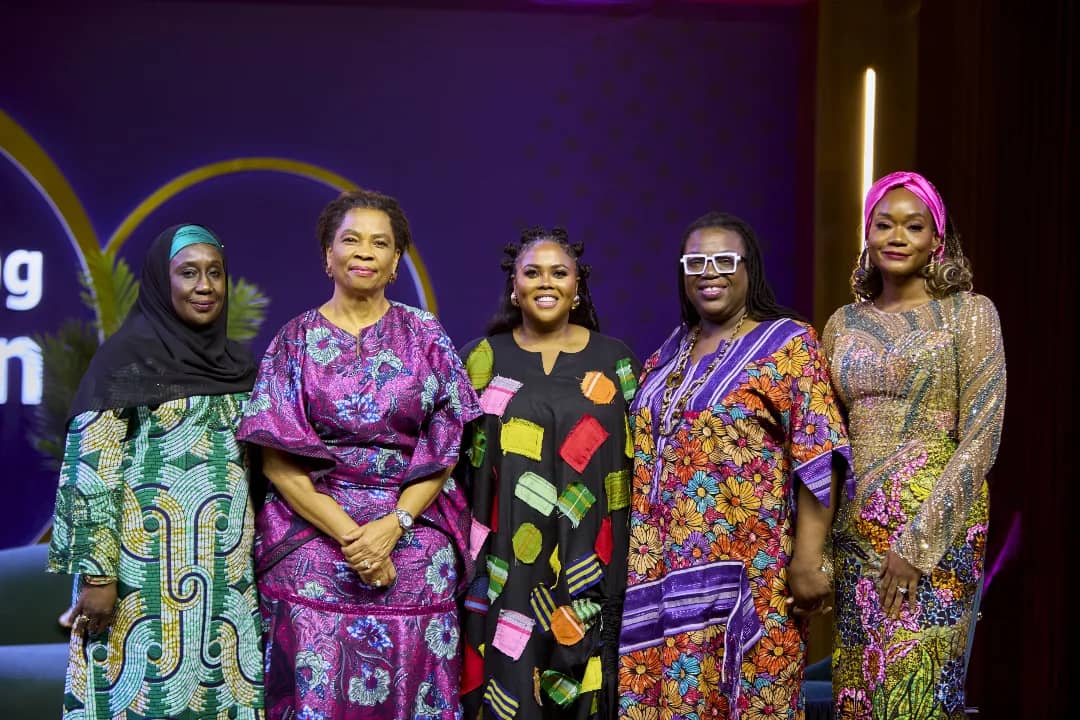
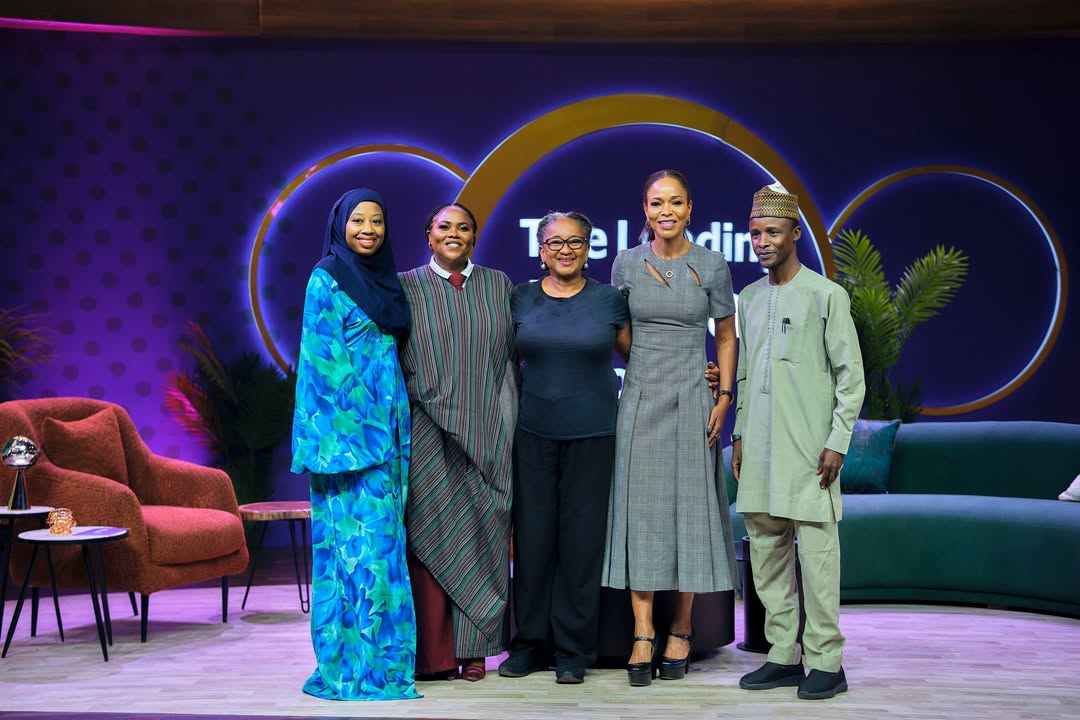
In response to these persistent gaps, we, at Women in Leadership Advancement Network (WILAN) are helping to reshape public perception and create more space for women’s leadership to thrive. One of WILAN’s flagship initiatives, The Leading Woman Show, now in its third season, has reached more than 61 million viewers through traditional media. The show shapes public discourse around women in leadership, highlights governance and policy issues, and provides visibility for women who are actively transforming these spaces.
WILAN’s work also extends into research and policy. Its recent white paper, The Role of Women’s Leadership in Strengthening Subnational Health Systems in Nigeria, provides evidence of how female leaders bring valuable insights to public health. The report also highlights the leadership of female health commissioners who are driving meaningful improvements in health outcomes through inclusion, empathy, and community-focused decision-making.
Furthermore, WILAN is collaborating with WomenLift Health, to strengthen the pipeline of women leaders in Nigeria’s health sector. WILAN is also in a coalition with WIMBIZ, WISCAR and the Nigeria Governors Forum (NGF) and together, we are working on gender-inclusive leadership as a fundamental element of Nigeria’s development agenda.
Unlocking Nigeria’s leadership potential
As Nigeria continues to pursue its development agenda, there is a clear opportunity to unlock its full potential by accelerating the advancement of women in leadership. From classrooms to boardrooms, and from local councils to national governance, ensuring that women can lead without barriers will strengthen institutions, promote equity, and drive innovation.
Changing the narrative around gender and leadership is possible, and it is already underway. With the energy of young women, the commitment of advocacy networks, and the support of institutions that prioritise equity, Nigeria can chart a future where leadership truly reflects the richness and potential of its people.
About The Author

Abosede George-Ogan is the Founder of the Women in Leadership Advancement Network (WILAN) and a tri-sector leader with over 20 years of experience across the non-profit, private, and public sectors. She began her career as a development professional with ActionAid International Nigeria and later coordinated Corporate Social Responsibility (CSR) and Sustainability initiatives for Keystone Bank, FirstBank, and Samsung Electronics West Africa.
Abosede served as the pioneer Director of Strategy, Funding, and Stakeholder Management at the Lagos State Employment Trust Fund (LSETF), where she played a key role in creating jobs in Lagos, Africa’s largest city by population. She has also managed programs that have improved health, education, and economic outcomes in over 30 Nigerian states and five West African cities.
Abosede holds a degree in Political Science/Public Administration from Igbinedion University, an MSc in Communication for Innovation & Development from the University of Reading, and a Master in Public Administration (MPA) from Harvard Kennedy School, where she received the Josephine Vernon Award for most outstanding Edward S. Mason Fellow and the Women and Public Policy Program Barbara Jordan Award for Women’s Leadership.
She is a Vital Voices VV Engage Fellow and a 2024 Eisenhower Fellow.
Through WILAN, Abosede is committed to advancing gender-balanced leadership at all levels, inspiring a shift towards more inclusive and equitable leadership across sectors.