


As a nation blessed with abundant natural resources and a vibrant, youthful population, the question of who truly benefits from Nigeria’s economic growth has long been a subject of debate.
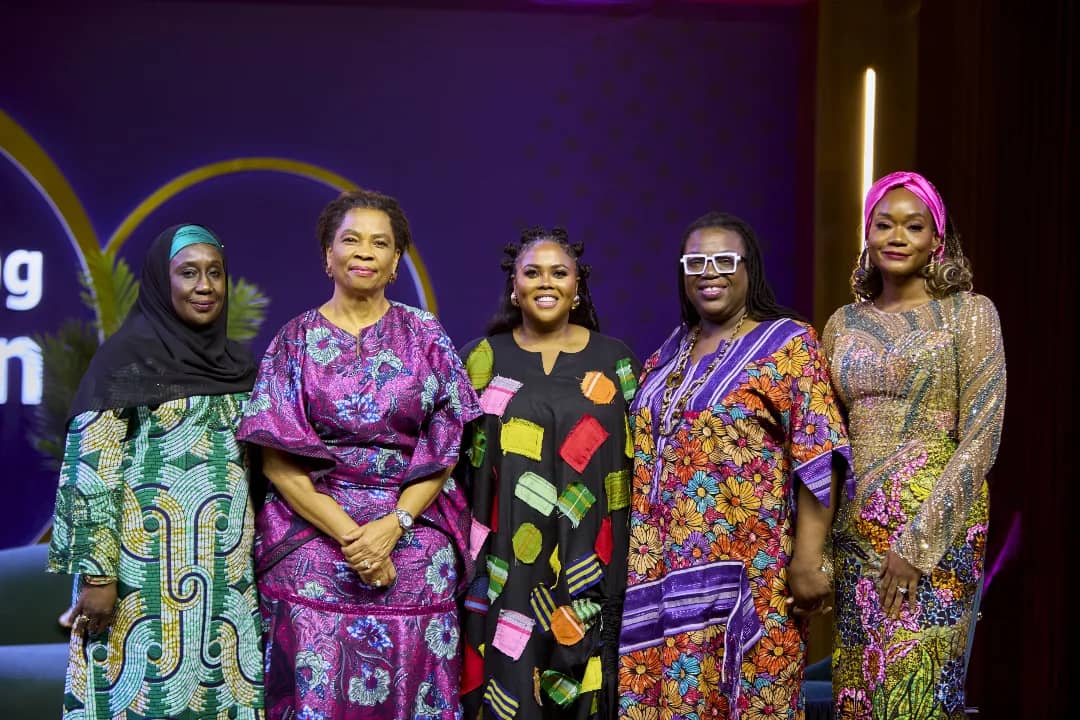
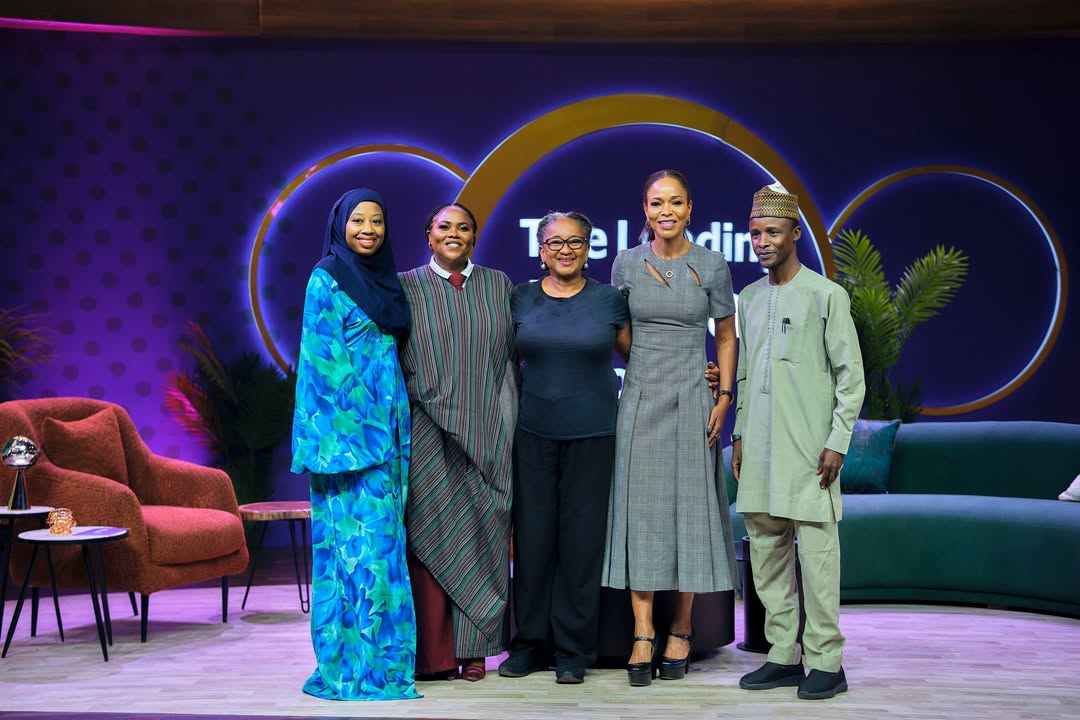
Through insightful analysis and thought-provoking discussions in the latest episode of The Leading Woman Show, we aim to shed light on this critical issue and explore pathways towards a more equitable and prosperous future for all Nigerians.
Understanding Nigeria’s Economic Landscape
Nigeria’s economy, the largest in Africa, is a multifaceted and dynamic entity that has undergone significant transformations over the years. From its reliance on agriculture in the early decades of independence to the more recent dominance of the oil and gas sector, the country’s economic fortunes have been shaped by a complex interplay of factors, both internal and external.
At the heart of Nigeria’s economic landscape lies the ongoing struggle to strike a balance between the interests of the government and the well-being of the people. While the government has implemented various policies and initiatives aimed at fostering economic growth, the question remains: who truly benefits from this growth, and to what extent are the fruits of prosperity shared among the population?
The Role of the Government in Nigeria’s Economy
The Nigerian government has long played a central role in shaping the country’s economic trajectory. From the management of the oil and gas industry to the implementation of fiscal and monetary policies, the government’s decisions have a profound impact on the lives of Nigerians.
One of the key areas of focus for the government has been the diversification of the economy, moving away from the heavy reliance on oil exports. Initiatives such as the Economic Recovery and Growth Plan (ERGP) and the Nigeria Industrial Revolution Plan (NIRP) have aimed to promote the development of other sectors, including agriculture, manufacturing, and services.
However, the effectiveness of these government-led efforts has been a subject of ongoing debate. Critics argue that the benefits of economic growth have been disproportionately concentrated in the hands of a few, with the majority of Nigerians still struggling to access basic services and opportunities.
The People’s Perspective
As the government continues to shape Nigeria’s economic landscape, the question of how the people are faring becomes increasingly crucial. The concept of “shared prosperity” – the idea that the fruits of economic growth should be equitably distributed among the population – is a key concern for many Nigerians.
Unfortunately, the reality on the ground paints a more complex picture. Despite the government’s efforts, a significant portion of the population remains mired in poverty, with limited access to basic services, education, and healthcare. The widening wealth gap and the concentration of economic power in the hands of a few have fueled a growing sense of frustration and disillusionment among the people.
To address this issue, it is essential to understand the lived experiences of Nigerians from diverse backgrounds and regions. By amplifying the voices of the people, we can gain a deeper understanding of the challenges they face and the aspirations they hold for a more equitable and prosperous future.
Bridging the Gap Towards Inclusive and Sustainable Growth
Achieving true shared prosperity in Nigeria will require a multifaceted approach that addresses the root causes of economic inequality and empowers the people to be active participants in the country’s development.
Some key areas of focus should include:
Investing in Human Capital Development: Prioritizing investments in education, healthcare, and skills training to equip Nigerians with the knowledge and tools needed to thrive in the modern economy.
Promoting Inclusive Entrepreneurship: Fostering an environment that supports the growth of small and medium-sized enterprises, particularly in underserved communities, to create more opportunities for economic participation.
Strengthening Social Safety Nets: Developing robust social welfare programs and targeted interventions to support the most vulnerable members of society and ensure a basic standard of living for all Nigerians.
Enhancing Transparency and Accountability: Implementing measures to increase the transparency of government operations and decision-making processes, and holding public officials accountable for the equitable distribution of resources and opportunities.
Fostering Sustainable Development: Aligning economic growth strategies with environmental sustainability and climate resilience, ensuring that Nigeria’s development is not achieved at the expense of its natural resources and the well-being of future generations.
Moving Forward
As we reflect on the complex and multifaceted nature of Nigeria’s economy, it is clear that the path towards shared prosperity is not an easy one. However, with a renewed commitment to inclusive and sustainable development, and a willingness to listen to the voices of the people, we can unlock the immense potential of this great nation and ensure that the benefits of economic growth are truly shared among all Nigerians.
The time for action is now. Let us come together, as government, businesses, and citizens, to forge a new economic vision that prioritizes the well-being of the people and lays the foundation for a more equitable and prosperous future. By working collectively, we can transform Nigeria’s economic landscape and create a brighter, more inclusive tomorrow for all.