


The gap between women’s potential and their actual representation in leadership remains one of the most persistent challenges of our time. From boardrooms to ballots, women continue to be underrepresented, not due to a lack of competence, but because of a lack of visibility, voice, and access. While many interventions focus on capacity-building or policy change, one critical element is often overlooked: strategic communication.
Communication is not merely about branding or public relations; it is essential for how movements grow, how policies gain public support, and how power is both challenged and redefined. For women’s leadership to thrive, communication must be an integral part of the strategy, not an afterthought.
The power of visibility
The phrase “You can’t be what you can’t see” isn’t just a catchy slogan; it reflects a cultural reality. Visibility is a leadership accelerator.
However, studies show that women are less likely to be recognised in media, featured in leadership discussions, or acknowledged as experts in public discourse. According to the most recent research of Global Media Monitoring Project (GMMP), 24% of individuals heard, read about, or seen in the news are women. This lack of representation is not coincidental; it highlights deeper structural biases that result in women’s contributions being undervalued.
Strategic communication can change this narrative. By intentionally showcasing diverse women in positions of authority and influence, organisations can shape public expectations and expand the perception of leadership. For example, at WILAN, we’ve witnessed how campaigns like The National Head Girl Project help normalise the image of young women as visible and vocal leaders, long before they enter formal power structures.
Strategic comms is advocacy
Behind every successful movement, from #MeToo to #BringBackOurGirls to #NotTooYoungToRun, there is a clear, compelling, and consistent message. Advocacy that succeeds is rooted in effective communication.
Effective communication turns complex policy issues into relatable human stories. It reframes problems in a way that highlights their urgency, unites communities, and applies pressure for action. This approach is particularly powerful in the fight for gender equity, where resistance often originates from cultural norms and ingrained systems.
At WILAN, strategic communication is central to our advocacy efforts. Whether through social storytelling, data-driven explainer series, or providing support for women navigating public influence, we don’t just amplify issues; we shape how they are understood.
From data to action: communicating the pipeline problem
Let’s talk facts.
A 2025 McKinsey report on women in the Nigerian workforce revealed a concerning trend: although women and men enter the workforce in roughly equal numbers, women drop off significantly at the first promotion point. For every 100 men promoted to manager, only 69 women achieve the same promotion.
The reasons for this disparity range from biased evaluations and burnout to a lack of mentorship and sponsorship. What’s particularly striking is how often this drop-off goes unnoticed.
Data alone does not drive change. It is communication that transforms spreadsheets into compelling stories. When gender data is presented through powerful visual narratives, real-life testimonials, and impactful social messaging, it becomes harder to overlook and easier to act upon.
Communications is a culture shaping tool
Leadership is not just a skill set; it’s a narrative that society tells about who is deemed worthy of leading. Strategic communication plays a vital role in reshaping that narrative. Using language, imagery, and representation, it alters our collective expectations.
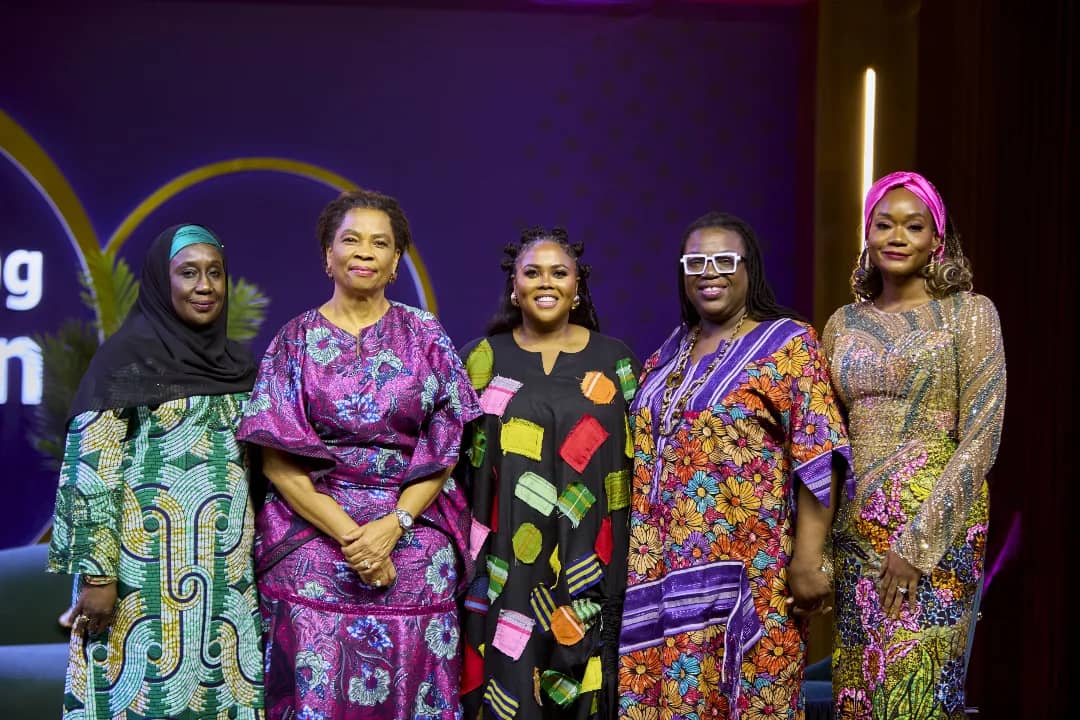
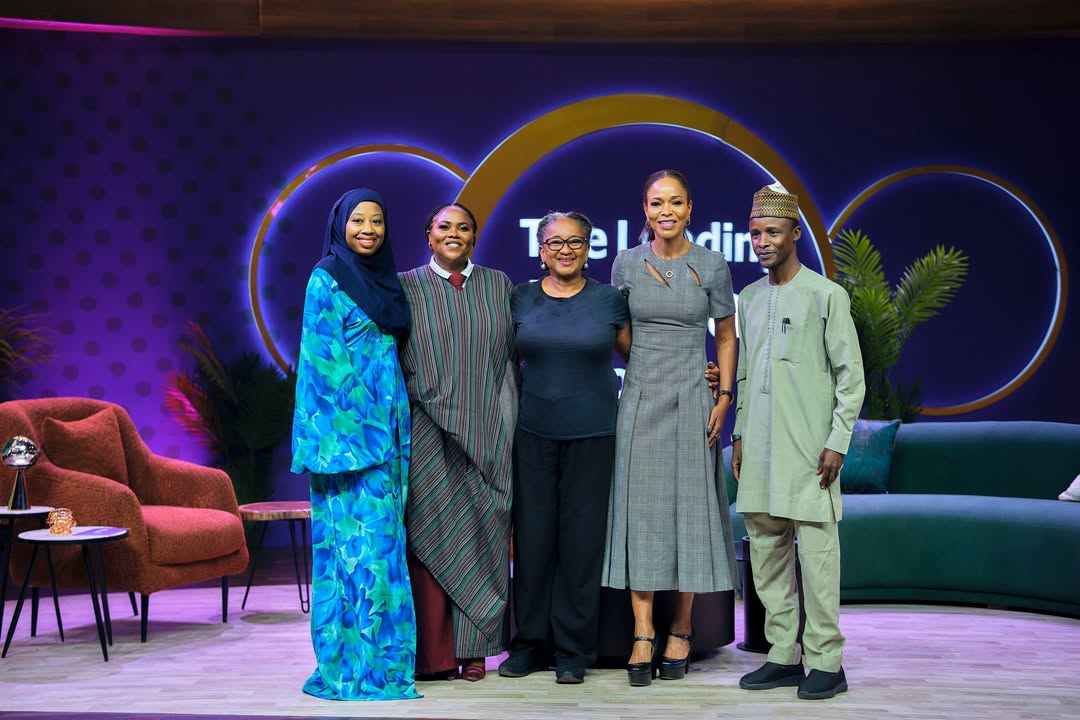
When we consistently see women in positions of influence, on stages, in decision-making roles, in campaign posters, on expert panels and on television shows like The Leading Woman Show, our societal norms and perceptions begin to shift. As a result, girls dream differently, communities vote differently, and institutions hire differently. While culture change may seem intangible, it begins with one practical step: deciding who gets the microphone.
What’s Next: Reimagining the role of communication in gender equity
If we want more women to lead in business, policy, and civic life, we must think beyond training and toolkits. We must invest in the ecosystems that foster visibility and amplify voices. This involves supporting communication teams, launching digital campaigns, ensuring gender-sensitive media coverage, and implementing narrative strategies.
Women’s leadership is not only about being prepared; it also hinges on recognition. This recognition is cultivated through consistent and compelling communication. The bottom line is clear: if your movement is not effectively telling its story, it will struggle to grow its influence.
About The Author

Itunu is a strategic communications professional with over seven years of experience driving brand visibility, engagement, and impact across diverse sectors. With a strong foundation in corporate and internal communications, content development, and brand management, she crafts compelling narratives that elevate organisational influence. She holds a degree in Communications and Language Arts and is currently pursuing the Professional Marketing certification with the Chartered Institute of Marketing, further deepening her expertise in brand strategy and marketing leadership.
Itunu has led cross-channel campaigns and high-impact media strategies, notably spearheading marketing and PR efforts for The Leading Woman Show, which has garnered over 50 million views. Her background spans storytelling, media production, program communications, and event planning, all driven by a passion for shaping powerful brand voices and communication