


For many Nigerians, faith sits at the centre of their lives in a way that’s hard to ignore. It’s in how people greet each other, how they make decisions, and even how they process uncertainty. In markets, in homes, in moments of crisis, religion often becomes the first reference point. This kind of influence is significant; it has the power to either strengthen a nation or create tension, depending on how it is utilised.
The real question isn’t whether faith matters; it clearly does. The important question is what type of leadership stems from faith and what that leadership decides to create.
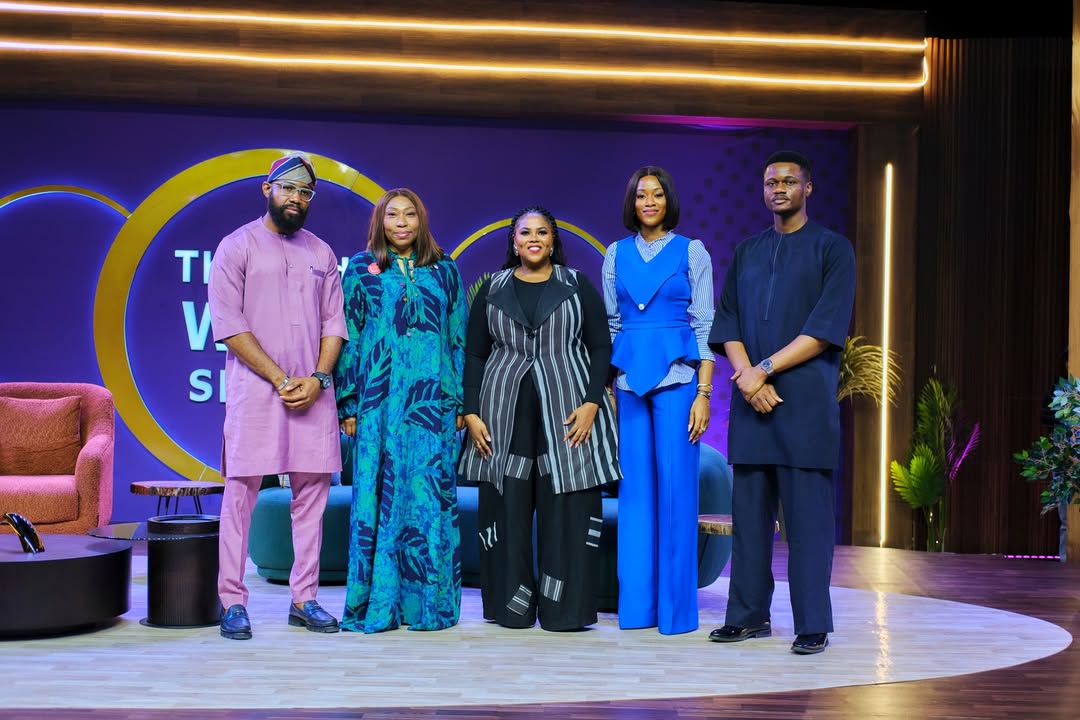
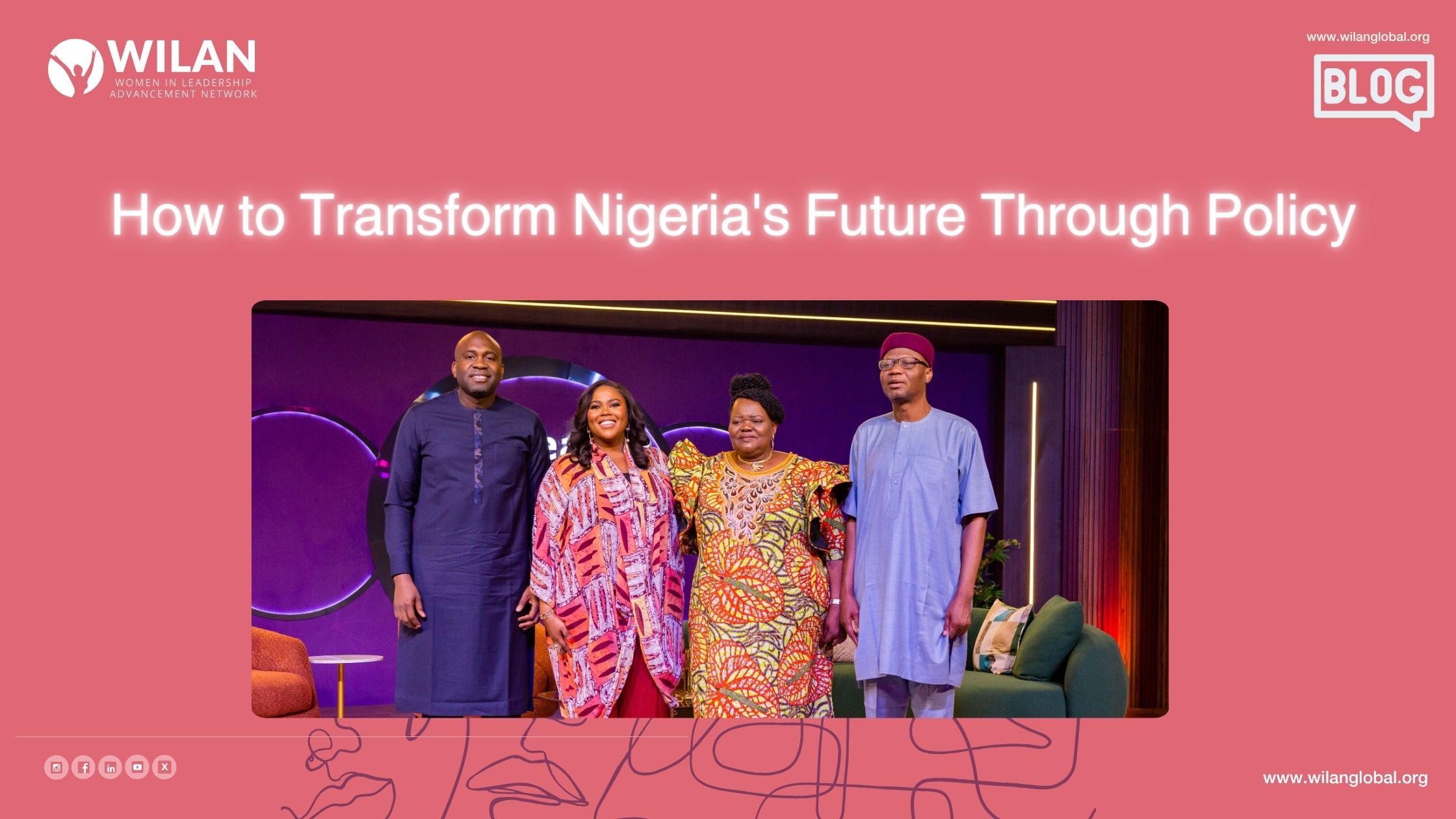
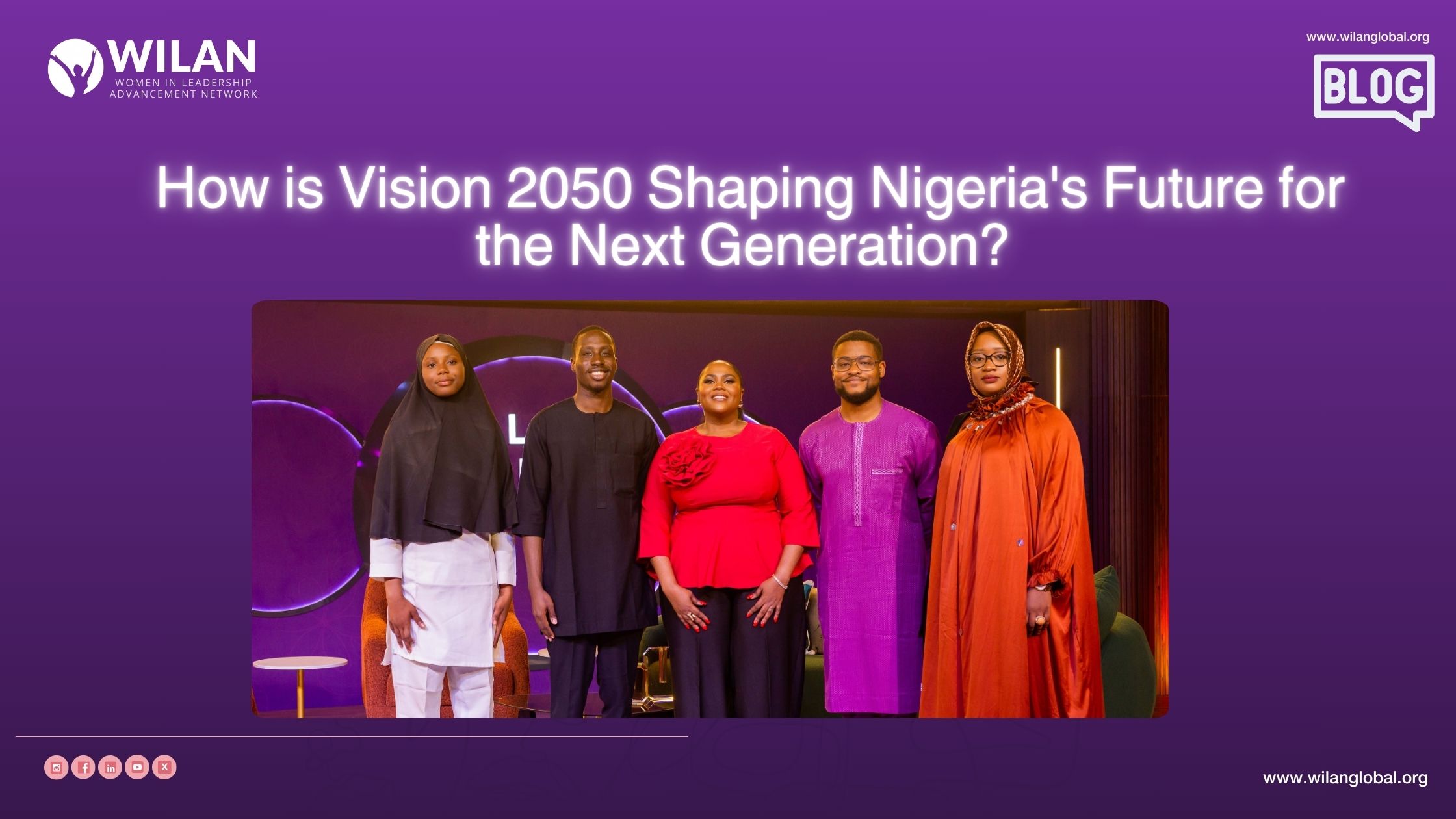
Recent discussions about nationhood, particularly on platforms like The Leading Woman Show, have explored this idea more deeply, not just theoretically, but in a practical sense. What does it truly mean for religious leaders to influence public life in a complex country like Nigeria?
Beyond the Podium: Expanding the Role of Religious Leaders
In Nigeria, religious leaders are rarely just spiritual guides. People go to them with everything. Family disputes, financial struggles, career decisions. Sometimes even political opinions are shaped in those spaces.
That level of trust is powerful, but it also raises the stakes. A single message can calm tensions or escalate them. Advice given in good faith can still have unintended consequences if it lacks depth or context.
This is where leadership becomes more than charisma or popularity. It becomes responsibility. A religious leader today is, in many ways, a social architect, shaping how people see each other and how they act within society.
When that role is handled with care, it creates stability. When it isn’t, the cracks show quickly.
Values as Everyday Infrastructure
It’s easy to think of values like justice, compassion, and tolerance as abstract ideas. But in practice, they function more like infrastructure. They determine how people treat each other in business, in politics, and in everyday interactions.
Both Islamic and Christian teachings, for instance, speak extensively about fairness, accountability, and care for the vulnerable. These are not just “religious” ideas. They are civic ones.
The gap, sometimes, is in application. Many people engage with faith in ritual terms, attending services and observing practices, but the translation into daily behaviour observing practices, but the translation into daily behaviour isn’t always consistent.
That’s where leadership matters again. When values are taught as living principles rather than distant ideals, they begin to shape culture more tangibly. And culture, over time, shapes institutions.
Rethinking Leadership Training Within Faith Spaces
There’s a quiet but important conversation around how religious leaders are trained. Not just in theology, but in ethics, governance, and social responsibility.
Integrity, for example, is often preached, but how deeply is it embedded in leadership formation? It’s one thing to speak about honesty in sermons. It’s another thing to model it in decision-making, especially in moments of pressure or influence.
If leadership development within faith institutions includes a stronger focus on accountability, critical thinking, and social impact, the ripple effects could be significant.
Because, many Nigerians encounter leadership first in religious spaces before they ever engage with formal political structures.
Understanding Without Needing to Agree
Nigeria’s diversity is both a strength and a source of tension. Various faiths, ethnicities, and worldviews coexist, sometimes harmoniously and sometimes not.
There is a common misconception that unity necessitates agreement, but this is not the case. What is truly required is understanding.
Simple, intentional exchanges between faith communities can be very effective. These should not be debates or attempts to convert or persuade one another, but rather opportunities to explain, listen, and ask questions.
Even small actions, like having shared conversations or making reciprocal visits between places of worship, can start to change people’s perceptions. This helps to humanize what is often viewed as “other.” Once people begin to see each other more clearly, fear tends to diminish.
From Conversation to Action
If religious institutions are going to play a stronger role in national development, the approach must be intentional.
Collaboration is a good place to start. Joint statements from religious bodies can set a tone, but they need to go beyond that. The real impact happens when those messages reach local communities in practical ways.
There’s also room for collective action on shared challenges. Issues like poverty, violence, and gender inequality are not confined to one faith group. Addressing them together sends a powerful signal.
Engagement should also extend beyond traditional spaces. Digital platforms, schools, and community programs all offer opportunities to reinforce messages of unity and inclusion.
And then there’s politics. A sensitive space, no doubt. Religious leaders don’t need to be partisan to be influential. In fact, neutrality can strengthen credibility.
But neutrality shouldn’t mean silence. Speaking truth to power, advocating for fairness, and encouraging civic participation are all within reach.
Key Takeaways for Nation Building
Faith will continue to shape Nigeria, and that much is certain. The real challenge lies in determining how faith manifests in public life. It can either deepen divides or foster connections; it can limit possibilities or expand them.
While religious leaders do not bear this responsibility alone, they hold a significant part of it. This presents an invitation—not only to lead but to lead with awareness. It is essential to recognize the weight of influence and to use it in ways that bring people closer together rather than pushing them apart.
At the end of the day, nationhood is not defined in abstract terms. It is built through everyday interactions, choices, and conversations. Faith already exists in those spaces. The critical question is how we choose to engage with it.