


Nigerians shine bright wherever they go. We spark joy, turn scraps into gold, and stamp excellence across music, sports, fashion, and art. The Nigerian spirit travels well. Put us anywhere in the world and somehow, we find a way to thrive.
Yet there is a harder truth we do not always like to confront.
For all our brilliance, we wrestle with a deep values gap. The same society that produces extraordinary talent also tolerates shortcuts, excuses misconduct and often rewards the wrong behaviour.
Citizens eventually become leaders. So, if we want public officials to answer for corruption or abuse of power, we must also examine the culture that shapes them. Leadership does not appear in isolation. It grows from the values a society tolerates, celebrates, or ignores.
What would change if more Nigerians simply chose the right path, even when it is inconvenient?
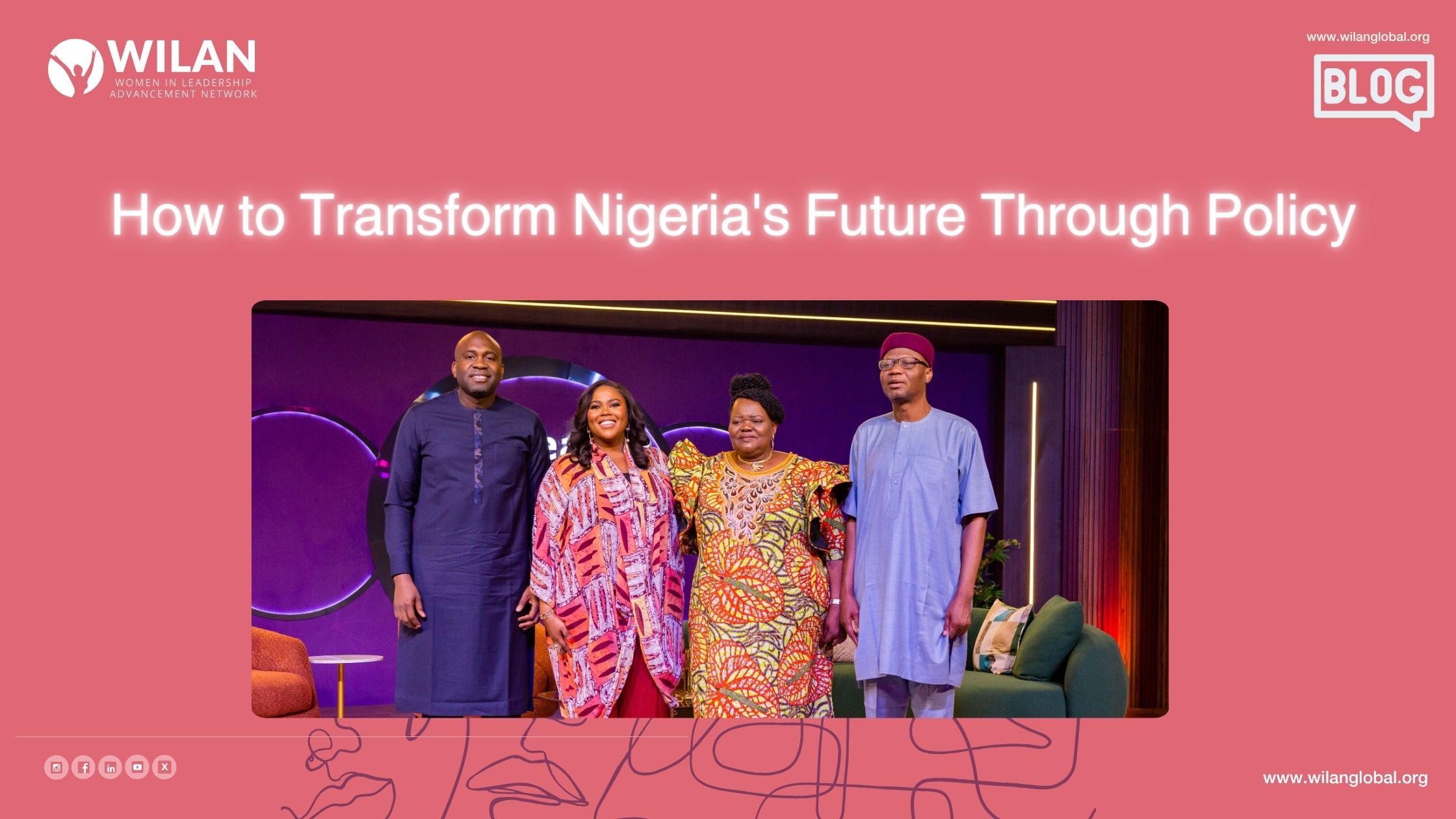
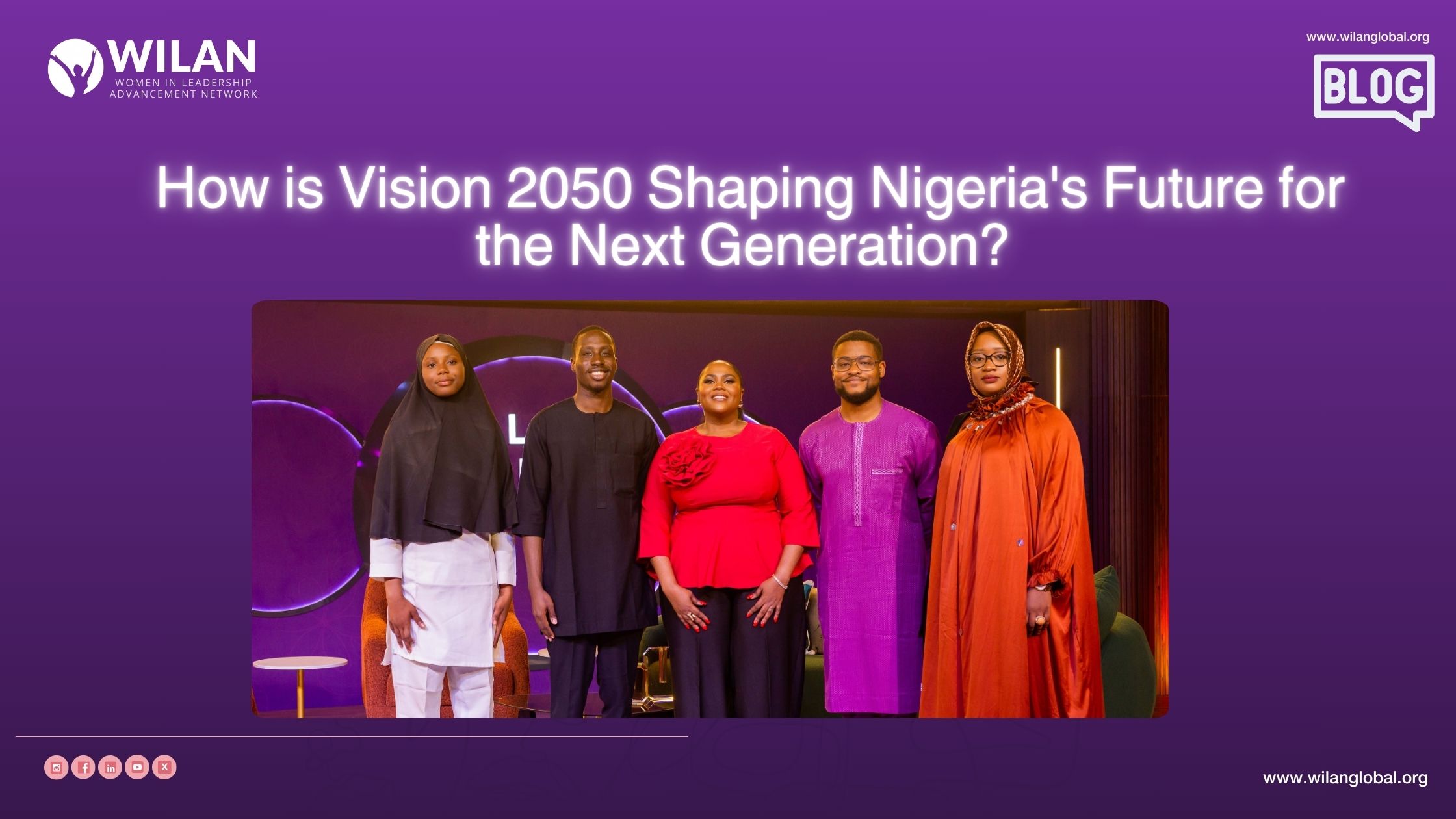
This conversation from episode 7 of The Leading Woman Show explores that question. The guests unpack Nigeria’s moral crossroads and discuss what it might take to rebuild a culture rooted in integrity, competence, and communal responsibility.
Is It Really a Value Problem or a Reward Structure Problem?
Nigerians do not lack core values. The real issue lies in what the system rewards.
People generally respond to incentives. When honesty, diligence, and ethical behaviour are consistently rewarded, those behaviours become the norm. Conversely, when individuals observe that unethical conduct leads to faster financial gain or social advancement, the temptation to imitate those behaviours grows.
In many sectors, the perception that shortcuts lead to success has gradually reshaped expectations. This creates an environment where ethical behaviour may feel like a disadvantage rather than a strength.
Reforming national values therefore requires addressing the systems that reinforce behaviour. Accountability, transparency, and fair consequences must accompany moral expectations.
Survival Pressures and Ethical Compromise
Economic hardship adds another layer to the discussion.
Persistent poverty, unemployment, and weak public institutions create survival pressures that influence decision-making. In such environments, individuals may justify unethical actions as necessary responses to systemic failures.
When legitimate opportunities for advancement appear limited, the line between survival and misconduct can blur. Over time, repeated exposure to these pressures normalizes behaviours that would otherwise be widely condemned.
However, survival alone cannot fully explain the erosion of shared values. Even in difficult environments, societies still establish ethical boundaries that guide acceptable conduct. Without clearly defined societal standards, individuals are left to navigate moral choices without consistent guidance.
Personal Ethics Still Matter
While systems and economic conditions shape behaviour, personal responsibility remains a central factor.
Ethical choices occur at the individual level. People constantly navigate decisions about honesty, fairness, and integrity in their personal and professional lives. These decisions collectively shape the moral culture of society.
Professional environments, for example, often present situations where individuals must decide whether to compromise personal values for career advancement or financial gain. Refusing unethical opportunities may carry short-term costs, but these decisions reinforce long-term integrity.
A nation’s ethical character ultimately reflects millions of such personal decisions.
Public Narratives, Social Media, and the Power of Mentorship
Modern digital platforms significantly influence how societal behaviour is perceived.
Social media amplifies extreme viewpoints and sensational stories, often giving disproportionate visibility to negative behaviour. As a result, online discussions may create the impression that corruption, hostility, or material obsession dominate everyday Nigerian life.
In reality, many individuals and communities continue to uphold strong ethical standards. However, these examples often receive less attention than scandal or controversy.
The imbalance between negative narratives and positive examples can gradually shape public expectations, particularly among younger audiences who consume large amounts of digital content.
Balancing the Narrative
Modern digital platforms significantly influence how societal behaviour is perceived.
Social media amplifies extreme viewpoints and sensational stories, often giving disproportionate visibility to negative behaviour. As a result, online discussions may create the impression that corruption, hostility, or material obsession dominate everyday Nigerian life.
In reality, many individuals and communities continue to uphold strong ethical standards. However, these examples often receive less attention than scandal or controversy.
The imbalance between negative narratives and positive examples can gradually shape public expectations, particularly among younger audiences who consume large amounts of digital content.
Mentorship as the Real Multiplier
Mentorship remains one of the most effective ways to pass values across generations.
Personal relationships allow experienced individuals to guide younger people through ethical challenges and career decisions. Mentors provide context, perspective, and practical examples that abstract advice cannot easily replicate.
Community leaders, educators, parents, and faith leaders have traditionally played this role in Nigerian society. Their influence often extends beyond formal instruction, shaping attitudes toward responsibility, honesty, and service.
In an era increasingly shaped by digital culture and consumerism, mentorship provides a counterbalance by reinforcing deeper values that cannot be easily transmitted through technology alone.
Empowering Nigeria’s Youth Majority
Nigeria is a young nation. More than seventy percent of the population is under the age of thirty.
That demographic reality represents both a challenge and an opportunity.
Youth empowerment must extend beyond technical skills training. Young people also need ethical frameworks, mentorship opportunities, and meaningful employment pathways that reward integrity.
Institutions like the National Orientation Agency have historically attempted to promote civic values, but renewed strategies are needed to connect with modern youth audiences.
Job creation remains essential. Economic stability reduces the temptation to compromise ethical standards for survival.
But equally important is recognizing and celebrating young Nigerians who model responsible leadership today.
The Normalization of Harassment
Many women grow up navigating expectations that limit their autonomy. Older generations often encouraged daughters to prioritize marriage above personal ambition.
That mindset still echoes in subtle ways.
During the discussion, the show’s host recounts an incident where a female police officer publicly called out workplace harassment. Within days, multiple women shared similar experiences. The sheer volume of responses shocked even those familiar with the issue.
For many Nigerian women, harassment is not rare. It is simply normalized.
Reorienting Male Perspectives
Changing this reality requires cultural re-education for men as well.
The panel argues that gender equality is not a modern invention but a recognition of fundamental human dignity. Men and women were never meant to function in rigid hierarchies of value.
Women contribute meaningfully across every sector of society. Reducing them to domestic roles or objects of desire undermines national development itself.
Respect, partnership, and shared responsibility must replace outdated patriarchal assumptions.
Building the Nigeria We Want
Nigeria’s future will not be determined solely by political leaders. It will emerge from the daily decisions of ordinary citizens.
Values such as integrity, courage, competence, excellence, and communal responsibility must become visible in homes, workplaces, and institutions. Families shape character. Mentors guide young minds. Media platforms influence cultural aspirations.
Change rarely happens overnight. But steady cultural shifts accumulate over time. The most powerful transformation begins when individuals hold themselves to the standards they wish to see in society.
Nigeria’s trajectory is not fixed. Each decision, each act of integrity, each mentoring relationship quietly nudges the nation in one direction or another.
The question is simple. What direction will we choose?