


Even though we are making progress on the road to gender equality in the workplace; however, some gender imbalance persists. We need to bridge the gender imbalance in Human Resource Management. The trend in recruitment practices is skewed and not deliberate enough to support women’s growth across the pipeline. As roles become more technical and senior, women steadily drop off, revealing a systemic imbalance. Pay disparities, cultural biases, and work-life conflict compound this issue, limiting the rise of women into positions of influence. HR professionals, as architects of workplace culture and policy, are uniquely positioned to lead transformative change.
Recent data from McKinsey’s Women in the Workplace 2025 report reveals that Nigerian women occupy only 33% of roles in the formal sector, with a smaller share (22–29%) in senior management and C-suite positions. The data indicates that there is an entry and a leadership gap. In Human Resource Management, HRM, it is a well-documented trend that women are well-represented at junior levels, with a marked decline in technical or leadership levels, revealing that the challenge lies more in career progression than entry.
This uneven pipeline underscores a critical truth: representation at the base does not guarantee progression to the top. Barriers such as unclear promotion criteria, limited access to leadership development opportunities, and caregiving responsibilities all contribute to the drop-off. There is still a reluctance to assign women to high-stakes HR tracks or technical roles early in their careers, further weakening the pipeline.
In broader Sub-Saharan Africa, women earn about two-thirds of what men do (Premium Times, 2024). Within HRM, female professionals frequently encounter biased promotion decisions, microaggressions, and exclusion from mentorship networks factors that entrench the glass ceiling.
Work-life balance also plays a pivotal role. Most senior roles often require emotional labor and extended availability, which conflict with the disproportionate unpaid care responsibilities women shoulder. In Africa, women 3.4 times in unpaid care work as men , limiting their ability to engage in career-building activities such as networking or leadership training.
The growing digital divide further exacerbates this challenge. In Nigeria, only 13.4% of women have ever used a computer, compared to 21.8% of men (Premium Times, 2024). As the world of work becomes increasingly digital with systems like enterprise resource planning (ERP), data analytics platforms, and artificial intelligence tools HRIS, this tech gap threatens to further exclude women from leadership.
What HR thought leaders in Nigeria can do
- Partner with universities to recruit and mentor women early.
- Introduce internship-to-hire pipelines to bridge entry-level gaps.
- Establish transparent promotion criteria and sponsor programs for mid-level female professionals.
- Conduct gender-based pay audits to uncover and rectify inequities.
- Provide more hybrid/remote roles and flexible hours to ease work–life conflict.
- Offer access to childcare support services in organizations.
- Launch targeted training in tech, analytics, AI tools, and emerging platforms.
- Create more women-led tech cohorts or digital mentorship programs.
- Establish HR-focused women’s networks for peer support and knowledge sharing.
- Match female professionals with senior sponsors to boost visibility and leadership track placement.
- Ensure women are on HR governance bodies, e.g., training committees, recruitment panels, DEI councils.
- Track and publish gender metrics: entry rates, promotion ratios, digital training participation, and leadership representation.
Why it matters
Diverse HR departments support inclusive cultures, which drive innovation and organisational performance. Nigeria loses vast economic potential when women are sidelined from leadership. Achieving gender-balanced leadership in HRM is not just a matter of equity but a strategic imperative. With AI and digital platforms reshaping HR roles, empowering women in these transitions ensures both relevance and resilience.
Conclusion
The moment for HR thought leadership in Nigeria is now. By addressing advancement barriers, digital exclusion, and work-life inequities, HRM can evolve from being a sector with strong female representation at the base to a driver of gender-balanced leadership and this can be replicated across professional disciplines. Empowered female HR professionals will not only manage people but lead systems change. For Nigeria to unlock its full potential, HRM must be at the forefront of this transformation.
About The Author
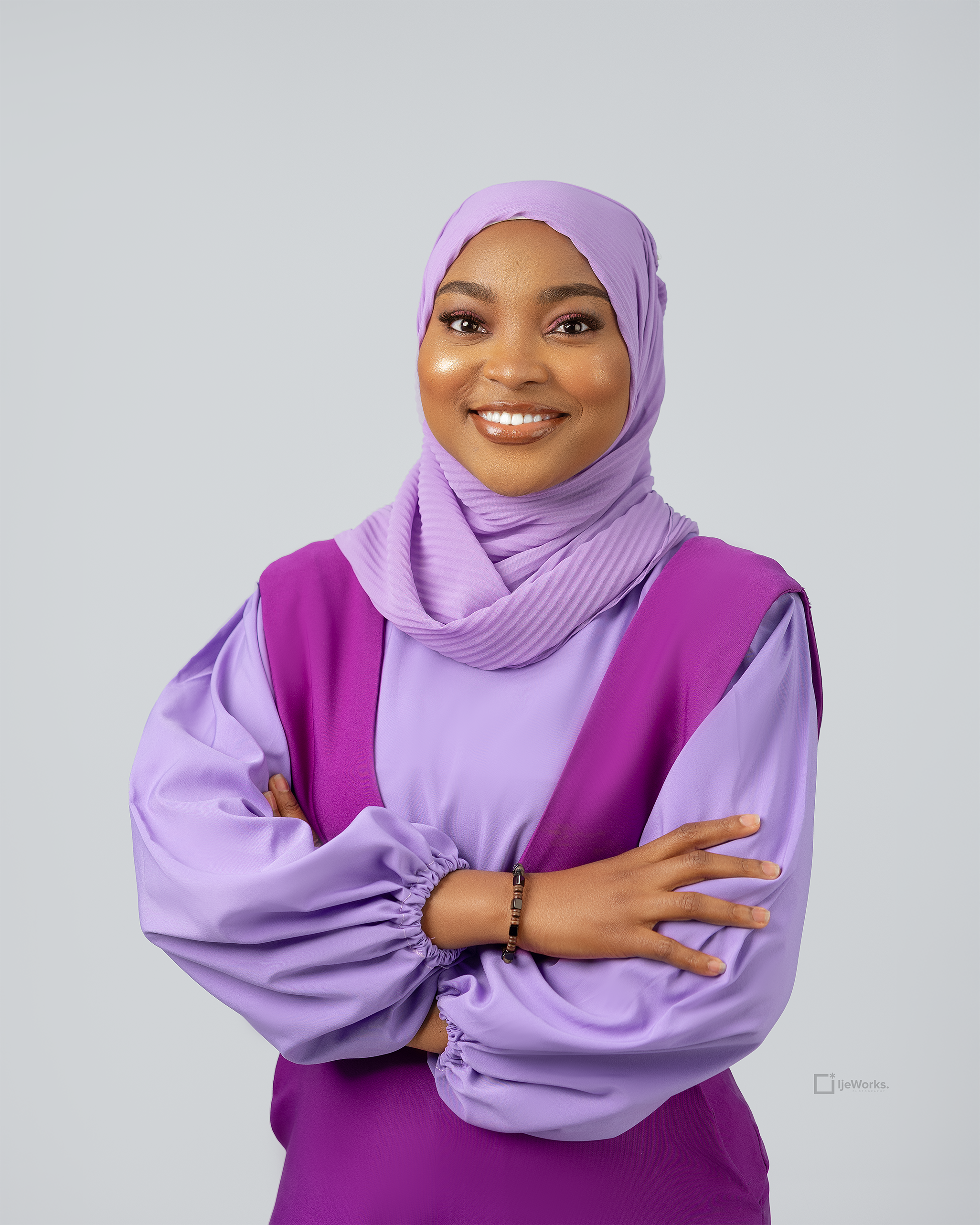
Zainab Alli is a strategic Pan-African HR professional with a deep-rooted passion for people, purpose, and performance. At the core of her work lies a commitment to building people-centered solutions that drive organizational growth, operational excellence, and meaningful impact across Africa’s development sector.
Through her role at WILAN Global, she has contributed to a wide range of program operations and led advocacy efforts promoting gender-balanced leadership across Nigeria and the African continent. Her approach to human resources goes beyond traditional functions—she designs HR strategies that enhance employee experience and builds inclusive, high-performing teams that reflect her belief that transformation starts with people.
With every initiative, Zainab aims to create systems that serve people—not just operate through them. Whether she is developing frameworks for HR excellence, improving internal operations, or supporting the next generation of women leaders, she brings intention, integrity, and a Pan-African vision for change.
For Zainab, HR isn’t just a function, it’s a force for development.