


Nigeria’s future is young, vibrant, and full of potential. Recognizing this, the country has rolled out the Nigeria Agenda 2050, a long-term economic plan designed to transform Nigeria into an upper-middle-income economy and significantly reduce poverty by 2050. Approved in March 2023, the plan succeeds Vision 2020 and the Economic Recovery and Growth Plan, setting a bold course for a nation whose population could surpass 400 million by mid-century.
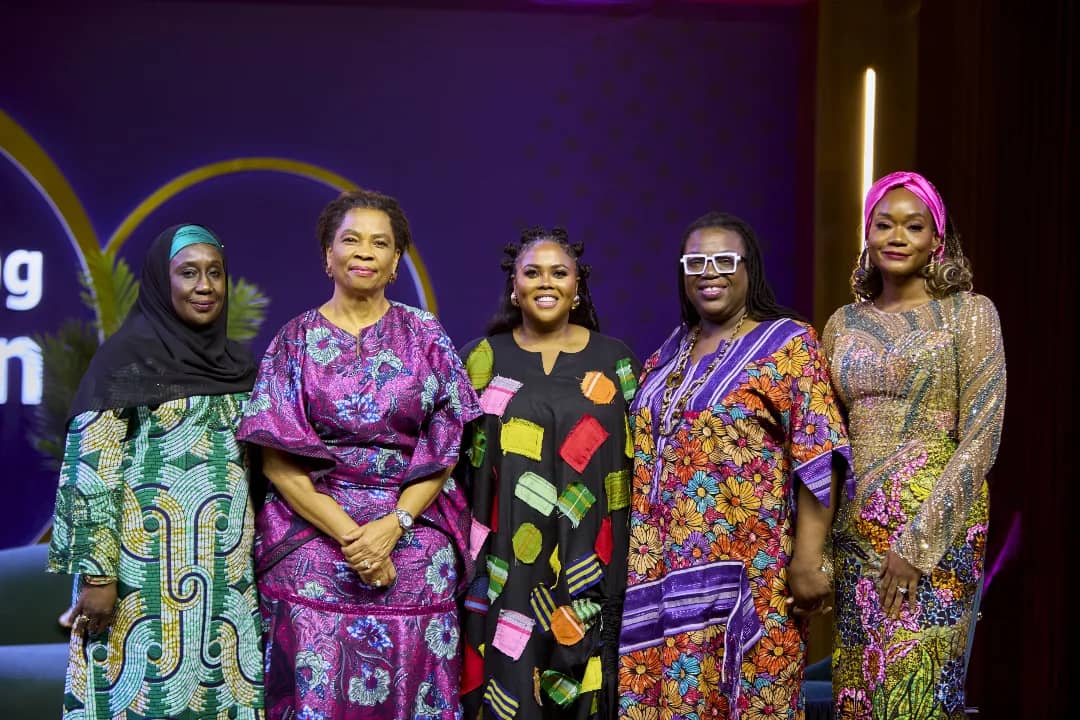
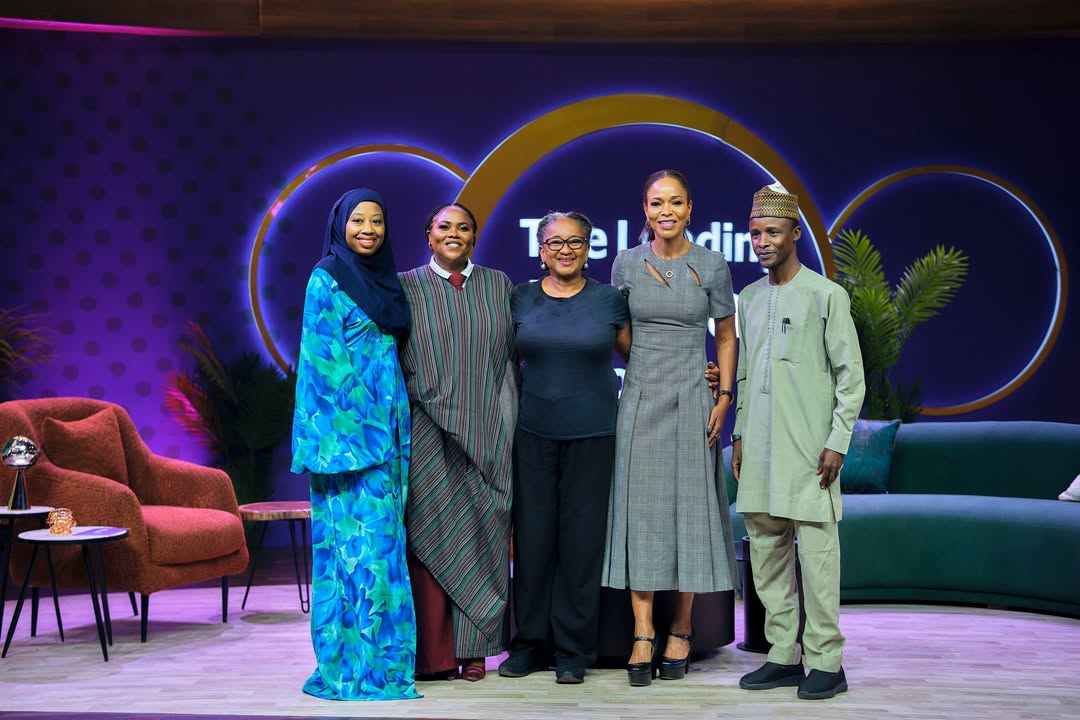
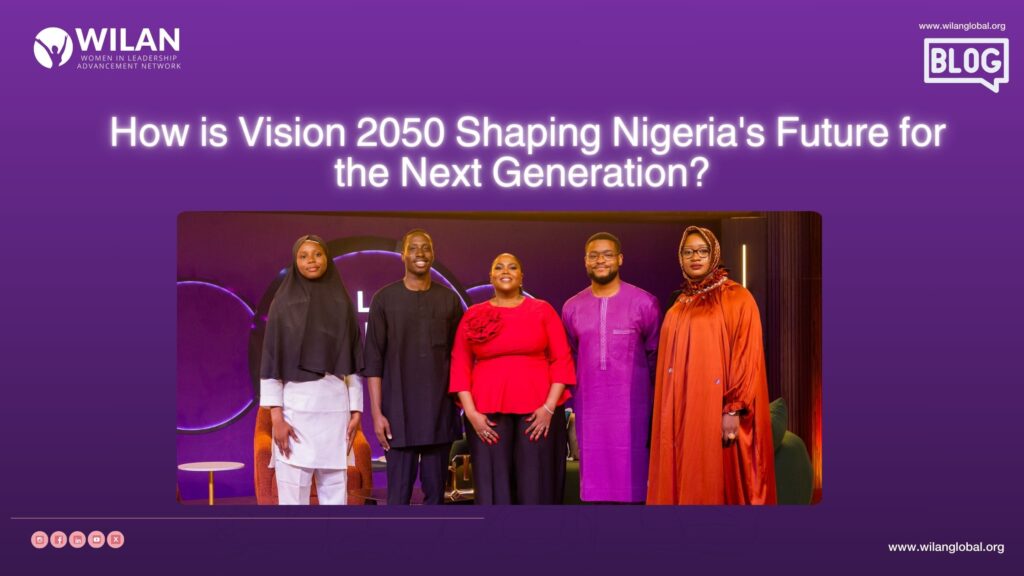
On episode 12 of The Leading Woman Show, we convened a panel of dynamic voices including Iklima Musa Salihu, the Special Assistant to the Director General, National Information Technology Development Agency, Afolabi Adekaiyaoja, a Research Analyst at the Centre for Democracy & Development, David Ebube Nwachukwu, a Communications and Policy Consultant, & the Curator, Abuja Hub, WEF Global Shapers and Hadiyya Onono Muhammad, Head Girl, Government Science & Technical College & Winner, 2024 National Head Girl Competition to explore what Vision 2050 means for the next generation, and the critical role young people must play.
What is Vision 2050?
Vision 2050 is Nigeria’s ambitious blueprint for national development over the next three decades. It outlines a strategic pathway to achieving a prosperous, inclusive economy characterized by high growth, poverty reduction, infrastructure development, and human capital advancement. The plan targets real GDP growth of 7% and aims to lift 100 million Nigerians out of poverty by 2030 as an interim milestone. By 2050, the goal is for Nigeria to rank among the world’s top 20 economies, fueled by a vibrant private sector and an empowered citizenry. Vision 2050 also emphasizes sustainable development, social cohesion, and an intentional investment in young people, who will inherit and drive the future.
Nigeria Agenda 2050: A Blueprint for Transformation
At its core, Nigeria Agenda 2050 is about economic transformation and poverty reduction. It aims to steer the country towards upper-middle-income status within the next three decades, tackling challenges like rapid population growth, infrastructure gaps, and youth unemployment. As Nigeria’s demographic landscape evolves, with projections estimating 400 million citizens by 2050, today’s policies must lay the foundation for a stable, thriving future.
To grasp the urgency of the agenda, it’s worth noting how Nigeria’s current trajectory demands swift innovation, resilient governance, and inclusive policies that harness the energy and potential of its youth.
Youth at the Center of Change
Young people are not just future beneficiaries of Vision 2050, they are its architects. Throughout the conversation, the panel emphasized that youth must be embedded in policy development and execution. Their resilience, adaptability, and entrepreneurial spirit make them key players in ensuring that today’s visions become tomorrow’s realities.
Beyond simply being included, young people are encouraged to assert their specific needs, particularly within sectors like the creative economy. Whether it’s securing better IP protections, accessing ethical supply chains, or improving digital literacy, young innovators must define and advocate for the policies that support their work and future.
Empowerment initiatives in government schools, curriculum reforms that emphasize STEM education, and creating opportunities for skill-building were also cited as vital steps. Preparing youth to compete globally means equipping them with cutting-edge knowledge, critical thinking skills, and practical tools to lead.
Building Trust and Strengthening Engagement
Effective governance requires two-way trust; young citizens holding leaders accountable while also collaborating on solutions. Co-creation has become a guiding principle, with institutions like NITDA embracing it to develop more inclusive regulations. Programs focusing on digital literacy, technical training, and leadership development are positioning Nigeria’s youth to thrive in a tech-driven world.
However, a critical gap remains in policy communication. Too often, important initiatives like Vision 2050 fail to penetrate grassroots communities. Clear, accessible, and multilingual communication strategies are needed to raise awareness and build a stronger civic culture. Youth engagement must be deliberate and ongoing, with open platforms for dialogue, innovation, and shared ownership of national goals.
Women and Inclusive Growth: A Necessary Priority
Closing gender gaps is central to achieving Vision 2050’s goals. Despite Nigeria’s near 50/50 population split between men and women, significant disparities remain in education, economic participation, political empowerment, and health outcomes. Targeted strategies like the National Gender Digital Inclusion Strategy aim to bridge these divides by boosting women’s access to skills, tools, and leadership opportunities, particularly within the tech ecosystem.
Participants underscored the need for policies that actively support women in politics, business, and education — from offering financial support to dismantling age and structural barriers that limit their full participation.