


What if the Nigeria we want is not some distant, abstract idea but something already visible in fragments all around us? In communities that organise despite neglect. In citizens who still care enough to argue, imagine, and demand better.
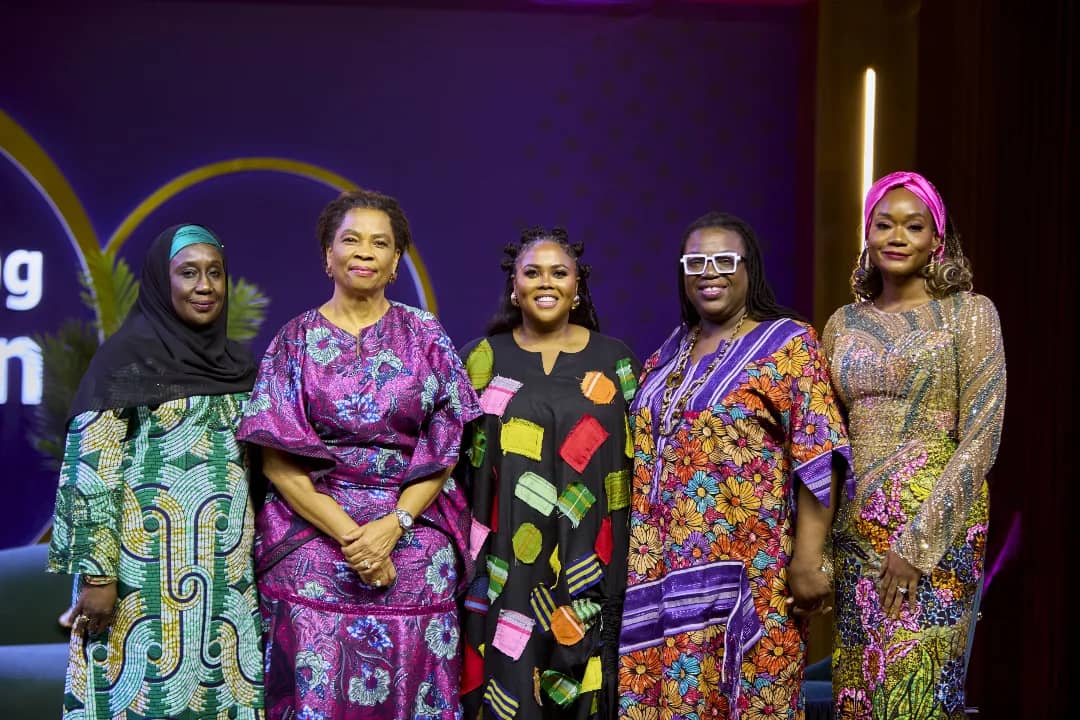
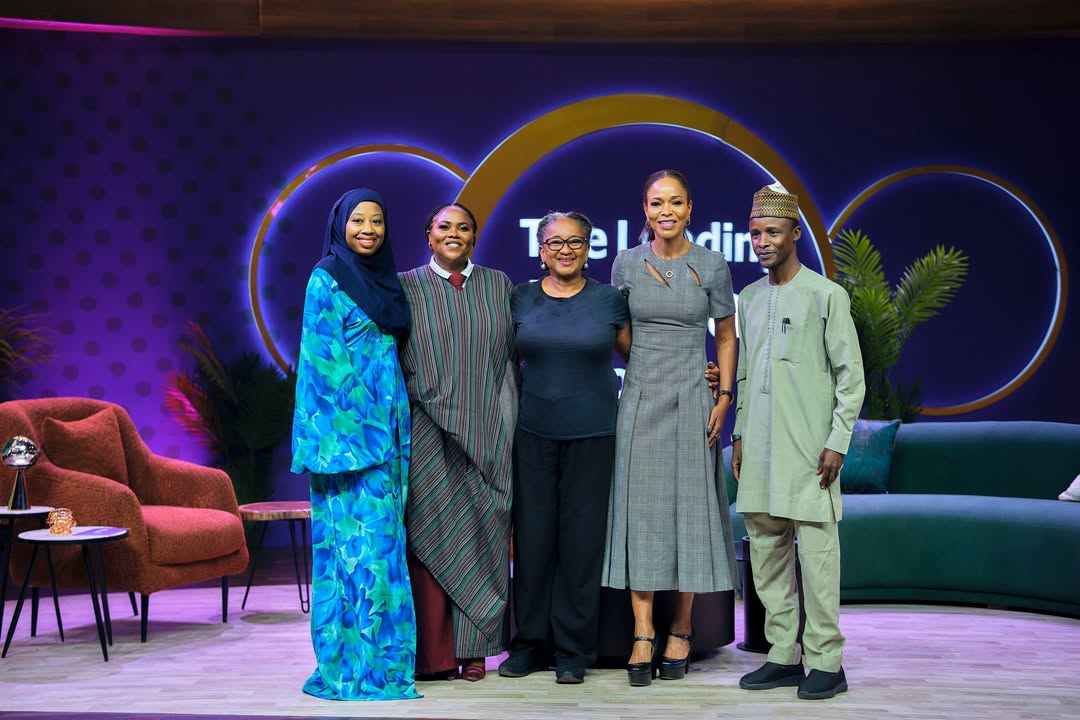
This season of The Leading Woman Show, themed “The Nigeria We Want,” brought together voices willing to interrogate our past honestly, assess our present, and imagine a future that is both ambitious and grounded. Our guests provided clarity about what Nigerians want to live with, and what we are no longer willing to tolerate.
This guide distils those conversations into a practical roadmap. It is written for ordinary citizens, community leaders, civil society actors, and policymakers who want to move beyond talk, toward action that is visible, local, and measurable. At its core is a simple idea: the Nigeria we want will not arrive fully formed. It will be built, layer by layer, by citizens who understand both their power and their responsibility.
The people’s vision
When Nigerians talk about a better country, the language may differ, but the substance is remarkably consistent. At the heart of it is belonging. A shared national identity that makes room for difference without turning diversity into division. Alongside that, is the basic expectation of safety: communities where the rule of law applies equally, and where citizens trust that the state exists to protect them, not prey on them.
Economic dignity follows closely. We get an economy that allows people to work, build businesses, and plan their lives with some certainty. And finally, inclusion as a default approach to governance that ensures women, young people, and persons with disabilities can access services, participate in decisions, and live with dignity.
These outcomes are deeply connected. None can be sustained in isolation, and progress in one area reinforces the others.
Rebuilding the foundations, one layer at a time
A shared national identity is not built through slogans. It grows from systems and everyday interactions that remind citizens they belong to the same project.
Governance provides the structure within which this unity either holds or fractures. When constitutional roles are unclear, accountability weakens and service delivery suffers. Clarifying responsibilities across federal, state, and local governments determines how quickly schools function, clinics are staffed, and roads are maintained. Opening law-making and budget processes to citizen participation further anchors trust and legitimacy.
All these efforts converge most clearly at the local level. This is where citizens experience government daily through schools, healthcare, sanitation, and roads. Strengthening local governments with autonomy, predictable funding, and transparent spending brings services closer to the people. National programmes succeed when they are designed for local delivery, using local data and local capacity.
How ordinary citizens can move the needle
Large-scale reform often feels distant, but collective change starts with individual habits. A few high-impact actions:
- Participate: register, vote, attend town-hall meetings and join civic networks.
- Demand accountability: follow budgets and public projects, ask for timelines and verification.
- Inclusion: practiced daily. In how we treat colleagues and neighbours. In the businesses we choose to support. In the standards we demand in workplaces and schools. Culture shifts when expectations shift.
Common pitfalls and misconceptions
One common belief is that change must come only from the top. While leadership matters, many durable reforms begin locally and spread. Another is that inclusion is expensive. In reality, many inclusive design choices are low-cost and deliver long-term savings by increasing productivity and participation. Uniform solutions also fail. Nigeria’s diversity demands approaches that adapt to local contexts, which is why decentralisation matters.
And hope, while necessary, is not sufficient. Without strategy, measurable goals, and sustained civic pressure, hope fades.
Where to start, now
The path forward is not mysterious. Strengthen local governance through transparent constitutional reform. Treat security and justice as central to development. Embed inclusion through universal design in every public programme. Remove barriers that keep small businesses informal. And prioritise small, local, measurable projects that show, in real terms, what the Nigeria we want can look like.
That Nigeria is achievable. Not through grand declarations alone, but through ordinary citizens combining daily civic habits with organised pressure and clear priorities. Start where you are. Build alliances across differences. Demand transparency. Measure progress. Over time, collective action rooted in inclusion and accountability turns vision into lived reality.