


Unpaid care work shapes the future of women. It limits how they present themselves at work, in leadership roles, and in society. The International Labour Organisation estimates that women perform 76.2 per cent of unpaid care work worldwide. This is more than three times what men do. According to the UN Women, by 2050, women globally will spend 9.5 percent more time or 2.3 more hours per day on uncare work than men. This is not a small matter. Care is work. It is invisible work. It affects earnings, time, and mental health. For women who want to build careers or lead, this tax is heavy.
My Story
I know this from my life. When my daughter was two, she was not meeting her milestones. Then the convulsions began. One moment, she was fine. The next moment, she was in crisis. We rushed to the hospital many times. It changed everything about how I worked. I lost focus. I paused on many projects. I constantly lived in fear of the next call. This was not for months. It lasted almost five years. Those five years shaped my career. Opportunities passed me by. I thought about leadership, but held back. I had people around me, but a mother’s presence has no substitute. My life became an example of the silent tax of care.
Doctors later diagnosed her with febrile convulsions. Treatment followed. Recovery came slowly. She is well now. I am grateful. But the impact remains. Care work changed my career path.
The Struggles of Underserved Women
This is the reality for many women. Especially widows, single mothers and struggling parents who raise families alone. They are the breadwinners. They attend training. They learn skills. But growth is slow. Savings is hard. Every income meets urgent needs. Care leaves them drained.
I have worked with many widows and mothers through Ashake Foundation. I see the struggle each time. A woman learns tailoring or catering. She wants to grow her business. Yet she spends most of her day caring for her children, cooking, cleaning, and managing her home. She tries to save, but family demands take it all.
Why Care Keeps Women Out of Leadership
Unpaid care keeps women poor. It also keeps them out of leadership. The United Nations Development Programme found that in Africa, women hold fewer than 25 per cent of seats in national parliaments. Care is one of the silent reasons. You cannot lead effectively when you are always torn between urgent home duties and public roles. Even in workplaces, this shows. The World Bank states that Nigerian women earn 77 cents for every dollar earned by men. Part of the gap is due to career breaks. These breaks often come from care responsibilities. This is why the silent tax of care must be addressed. Policies need to support care. Workplaces should provide flexible schedules, childcare options, and health support. Governments should fund social protection for women, especially widows and single mothers.
Care and My Leadership Journey
For me, leadership has always been tied to this struggle. Many times, I wanted to take bold steps. I tried to accept leadership roles. But fear held me back. Fear that my daughter would need me at that exact moment. Fear that I would fail both my family and my work. That fear was not imagined. It was lived. Care work is not bad. It is needed. Children thrive because mothers give time and attention. Families stay together because women often provide unpaid care. The problem is when society ignores it. When workplaces and policies pretend it does not exist. During those years, my leadership was shaped by care. I became more empathetic. I understood struggle more deeply. I saw firsthand how women juggle care and ambition. I saw how easy it is to give up on dreams. Yet I also learned resilience.
Why I Speak Up
Today, when I advocate for women through Ashake Foundation, it is not theory. It is my life. I know what it means to show up tired but smiling. I know what it means to hold back from growth because of care. I know what it means to depend on hope and doctors for a child’s healing.
For widows, single mothers and struggling parents, the weight is double. They do not share the care load. They carry it all. They want to lead. They want to work. But every choice is limited. Addressing the silent tax of care is not charity. It is a strategy. Nations lose talent when women step back. Companies lose innovation when women drop out. Families lose income when women cannot work fully. The way forward is clear: Recognise unpaid care work. Count it. Support it. Build systems that reduce the load. Give women time to breathe.
When women are free to care for others and also to work, society benefits. When beneficiaries are supported with care options, they thrive. When mothers do not have to choose between a hospital visit and a leadership seat, they rise.
This is why I continue to raise this issue. Because I know it, I lived it. And I see it daily in the women I work with.
Care is work. Work deserves recognition. Recognition should lead to support. Support leads to stronger women, stronger families, stronger societies.
About The Author
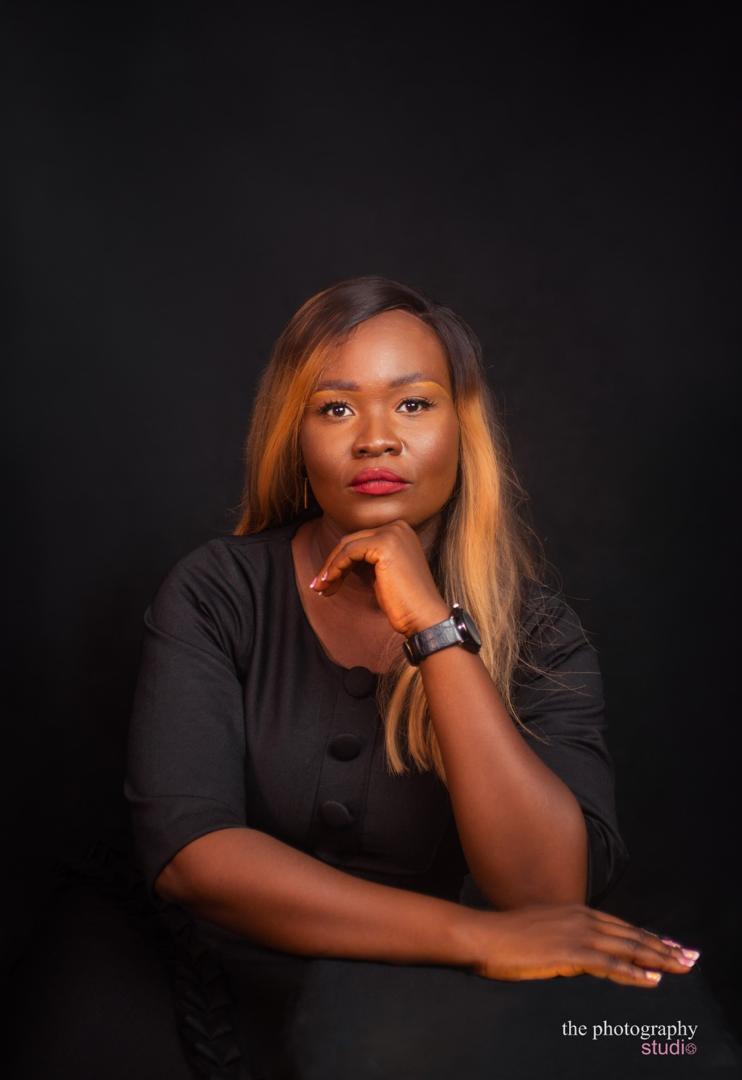
Mayowa Adegbile is a Nigerian social entrepreneur, project manager, and founder of Ashake Foundation, a nonprofit empowering underserved women and girls through skills, education, and care-inclusive programs. Inspired by her widowed mother’s resilience, she has dedicated her life to reducing poverty and creating sustainable opportunities for women to thrive.
Under her leadership, the Ashake Foundation has supported over 2,000 underserved women with skills training and microloans, provided Educational scholarships, Leadership development workshops, hygiene kits and menstrual health education to over 5000 kids, and launched initiatives that address unpaid care work as a barrier to women’s empowerment.
Beyond her nonprofit work, Mayowa is passionate about exploring the intersection of technology, social good, and AI to strengthen development programs. She has contributed to initiatives like WISE Abuja and the Nwa-Girl Apprentice Program, mentoring women and young changemakers.
She continues to build Ashake Foundation into a model nonprofit, championing dignity, opportunity, and equity for women in Nigeria and beyond.